
Introduction
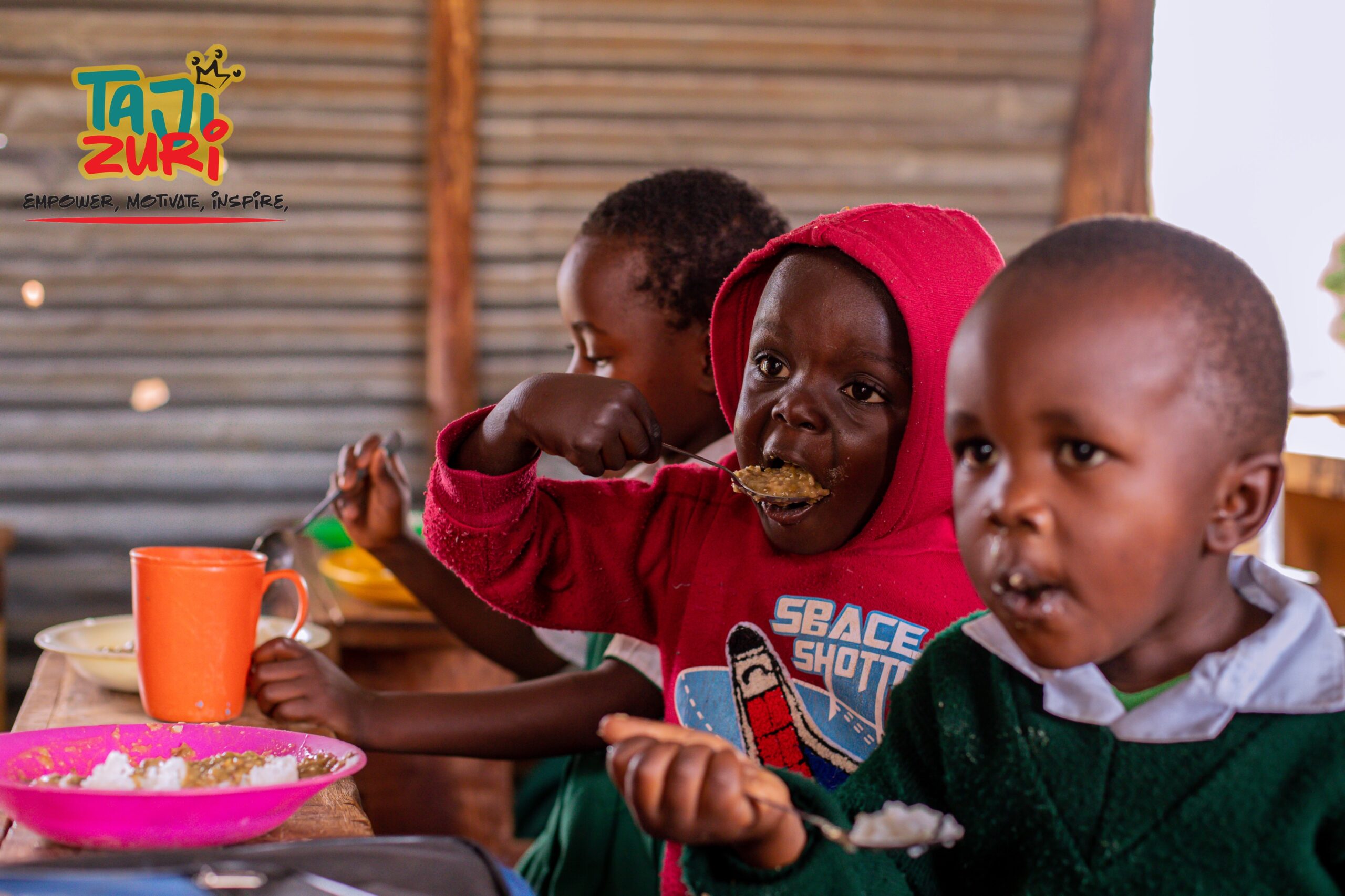
School feeding programs are initiatives started by governments or partners to provide meals to learners while they are in school. In Kenya, this is carried out through programs such as the National School Meals Program, which provides foods like maize, beans, rice, or porridge to pupils, especially in public primary schools located in dry and economically disadvantaged areas. These programs play a vital role because they help reduce hunger, improve children’s health, increase school attendance, and support better learning outcomes among students. The main aim is to ensure that every child receives at least one nutritious meal each day while attending school.
Importance of School Feeding Programs
The importance of these programs goes far beyond addressing hunger alone; they represent a long-term investment in the future of the nation.
For Students’ Minds and Bodies
- Improved Concentration: It is difficult to focus in class when a child is hungry. Access to a nutritious meal provides the energy the brain requires to process, retain and apply information effectively.
- Health and Growth: These programs help prevent stunting and malnutrition, conditions that hinder children from reaching their full physical and cognitive development.
- Better Academic Performance: Research indicates that schools with feeding programs achieve higher examination results because students are more present, alert, and motivated to learn.
For Parents and Households
- Economic Relief: With the rising cost of living, a guaranteed school meal reduces household expenses by covering daily lunch needs, allowing families to allocate resources towards other household needs such as uniforms or rent.
- Increased School Attendance: The assurance of a daily meal serves as a strong incentive. Parents are more likely to send their children to school promptly and consistently when they know meals are provided.
For the Community and Economy
- Market for Local Farmers: When the government or non-governmental organisations source food for schools locally, it creates a steady market for Kenyan farmers,boosting the local economy.
- Promotion of Gender Equality: School feeding programs enable all learners to have nutritious meals, ensuring that both boys and girl benefit equally from education and nutrition initiatives.
Sources of International Aid
- United Nations World Food Programme (WFP): The WFP is the largest organization that supports school feeding globally. While it previously provided food directly, it now focuses primarily on technical support, helping the Ministry of Education manage the logistics of feeding millions of children across the country.
- The Rockefeller Foundation and Novo Nordisk Foundation: These organisations champion clean energy solutions in schools. They support the transition from firewood, which causes respiratory problems for cooks and pupils, to cleaner alternatives such as LPG and biogas.
- USAID: This programme is particularly active in Kenya’s Arid and Semi-Arid Lands (ASALs), including Turkana and Samburu counties. It provides high-quality food commodities and supports literacy initiatives in underserved communities.
- France and the Global Partnership for Education (GPE): These partners fund school feeding models and related initiatives to ensure that children from the most impoverished households, including those unable to afford even a small meal contribution, are still able to eat at school.
How Aid Supports Nutrition
International aid ensures that the food provided to Kenyan children is not merely filling, but genuinely nourishing and developmentally beneficial.
- Bio-fortification: Donors support the introduction of nutrient-rich foods such as orange-fleshed sweet potatoes and iron-rich beans in school gardens, greatly enhancing the dietary value of school meals.
- The Home-Grown School Feeding Model: Rather than importing food from abroad, aid funds are channelled towards purchasing maize and beans from Kenyan smallholder farmers. This approach ensures that meals are fresh, culturally appropriate, and economically beneficial to local communities.
- Kitchen Infrastructure: Aid frequently funds the construction of modern, large-scale kitchens capable of preparing tens of thousands of meals simultaneously in a safe and hygienic manner, ensuring that no child falls ill from poorly prepared food.
How Aid Supports Education
While nutrition forms the foundation, the ultimate objective of school feeding programs is to keep Kenyan children in the classroom and actively engaged in learning.
- Increasing School Attendance: In communities where families face persistent poverty, the promise of a daily school meal functions as an informal scholarship. Aid ensures that schools remain operational and children remain enrolled even during periods of drought or economic hardship.
- Teacher Training and Capacity Building: Donors fund the training of teachers and School Feeding Committees, enabling educators to focus entirely on curriculum delivery and student performance rather than administrative food-related concerns.
- Promoting Gender Equity: International aid programmes often include take-home rations for girls in specific communities. This arrangement encourages parents to enrol their daughters in school, as the family also benefits from a small supply of food as an incentive for the girl’s regular attendance.
Challenges of Donor Dependency
While international aid has been instrumental in supporting school feeding programs, over-reliance on donor funding presents significant long-term challenges.
- Uncertainty of Funding: Donor support is not guaranteed or permanent. When funding is reduced or withdrawn, critical programs such as school feeding may be disrupted, directly affecting the welfare of learners.
- Lack of Long-Term Sustainability: Excessive dependence on donors may hinder a country from developing its own robust and self-sustaining funding mechanisms over time.
- External Influence and Conditionality: Donors often attach specific conditions to their financial contributions, which may limit a country’s ability to make independent decisions aligned with its own national priorities and values.
- Delayed Disbursements: Bureaucratic processes can result in delayed release of funds, causing interruptions to essential services in health, nutrition, and education.
- Reduced Local Accountability: When programs are heavily reliant on external funding, local governments and communities may develop a diminished sense of ownership and responsibility for sustaining those programs independently.
Recommendations on Sustainability Strategies
- Increase Government Funding: More money needs to be set aside in both the national and county budgets for school feeding. Currently, much of the funding comes from international organizations, which is a challenge because donors can pull out at any time. If the government takes greater ownership of these programs financially, they are far less likely to collapse when donor priorities shift.
- Promote Local Food Sourcing: Schools should be encouraged to procure food from nearby farmers, supporting local agricultural producers while ensuring a consistent and fresh food supply.
- Strengthen Community Involvement: Parents and community members should be encouraged to contribute food, labour, or modest financial support to help sustain school feeding initiatives at the local level.
- Develop Public-Private Partnerships: There is no reason the government should carry this burden alone. Many private companies and organisations in Kenya are willing to invest in community development, and school feeding is exactly the kind of cause they can support. When businesses come on board, it spreads the financial load and makes the whole program more stable over time.
- Income-Generating School Activities: Not every school has land or space, but those that do can put it to good use. A simple kitchen garden can go a long way in cutting food costs. These kinds of hands-on projects also teach students practical skills, so the benefit goes beyond just saving money.
- Strengthen Monitoring and Accountability: Transparent management of funds and resources fosters trust among stakeholders and encourages continued investment from both public and private sources.
Conclusion
School feeding programs play a central role in improving nutrition and educational outcomes for children across Kenya. They ensure that learners in areas with socioeconomic challenges receive at least one nourishing meal each day, which directly contributes to better health, concentration, and school attendance. Although international partners such as the World Food Programme have provided invaluable support, excessive dependence on donor aid introduces risks including funding shortfalls and an absence of long-term sustainability. It is therefore essential that the government, local communities, and private sector partners collaborate to strengthen domestic funding and management frameworks. Through such collective effort, Kenya can secure the future of school feeding programs for generations to come.