
INTRODUCTION:
What are Adolescent-Friendly Services?
Picture a 16-year-old girl who thinks she might be pregnant. She is scared, confused, and desperately needs information – but the only clinic in her area is staffed by a nurse who once told her classmate that she was “too young to be doing those things.” So, she does not go. She waits, hopes, searches the internet, and eventually makes decisions without any real support. Outcomes like this play out every day across East Africa and much of the developing world, not because young people do not need sexual and reproductive health care, but because the systems meant to provide it were not designed with them in mind.
This is what adolescent-friendly health services are trying to fix. According to the World Health Organization, United Nations Population Fund (UNFPA) and Adolescent and Youth-friendly Health Services (AYFHS), are services specifically designed to meet the needs of young people aged 10 to 24 – not just in terms of what they offer, but in how they offer it. The defining features are confidentiality, affordability, non-judgmental care, convenient hours, and the active involvement of young people in shaping the services themselves. These are not optional extras. They are the difference between a young person walking through the door and staying away.
The urgency is clear. Adolescents make up a significant proportion of new HIV infections, unintended pregnancies, and STI cases worldwide – yet they consistently report the lowest rates of healthcare utilization. They have needs that health systems are largely failing to meet, and the consequences are measurable in school dropout rates, maternal deaths, HIV transmission, and futures that never reach their potential.
The SRH Challenges Young People Actually Face
Young people’s sexual and reproductive health challenges are rarely talked about honestly – which is, in itself, part of the problem. They include:
- Adolescent pregnancy- this remains one of the most persistent public health issues across Sub-Saharan Africa. For many girls, it ends an education and redirects an entire life. The root causes are not complicated: inadequate sex education, limited access to contraception, and often the inability to say no in relationships where power is heavily unequal
- Young women aged 15-24 in Sub-Saharan Africa are among the most HIV-vulnerable populations in the world – not because of personal recklessness, but because of structural vulnerabilities: gender inequality, age-disparate relationships, poverty, and limited negotiating power. STIs are also widely underdiagnosed in this age group because young people simply do not get tested. Add to this the widespread myths that contraceptive pills cause infertility or permanent hormonal damage – beliefs found in research from countries like Malawi and Ethiopia – and the picture becomes clear: young people are making decisions in an information vacuum, and the consequences are serious.
- Sexual coercion, early and forced marriage, and intimate partner violence are realities for many adolescent girls. Gender-based violence does not just cause immediate harm – it fundamentally undermines a young woman’s ability to make decisions about her own body, health, and future. And when unintended pregnancies do occur in contexts where safe abortion is legally or practically inaccessible – which describes most of the region – girls often turn to unsafe procedures. The physical consequences can be life-altering or fatal. The emotional ones rarely get discussed at all.
Barriers to Care – and Where Youth-Friendly Clinics Come In
Understanding why young people avoid health services is not complicated. The answers come back consistent, across countries, across contexts.
- Judgment and Stigma
Healthcare providers – many of whom hold conservative views on adolescent sexuality – routinely make young clients feel ashamed, lectured, or exposed. A 15-year-old asking about contraception at a general health clinic is not just asking a medical question; she is risking being scolded, having her parents called, or being told she should not be having sex at all. That is not a health service. That is a deterrent.
- Confidentiality
Confidentiality is not a nice-to-have for adolescents – it is the precondition for any care at all. Research from California found that about half of adolescents cited confidentiality concerns as a barrier to seeking care. In close-knit communities where everyone knows everyone, this concern is even more intense. If a young person believes that what they tell a nurse will reach their parents or their community, they will simply stay away.
- Health system barriers
Beyond attitude and privacy, there are straightforward practical barriers: clinics that close before school ends, facilities that are too far away, services that cost money young people do not have, and laws in some countries requiring parental consent that effectively lock adolescents out of care entirely. These are not personal failings. They are system failures.
What youth-friendly clinics actually do differently
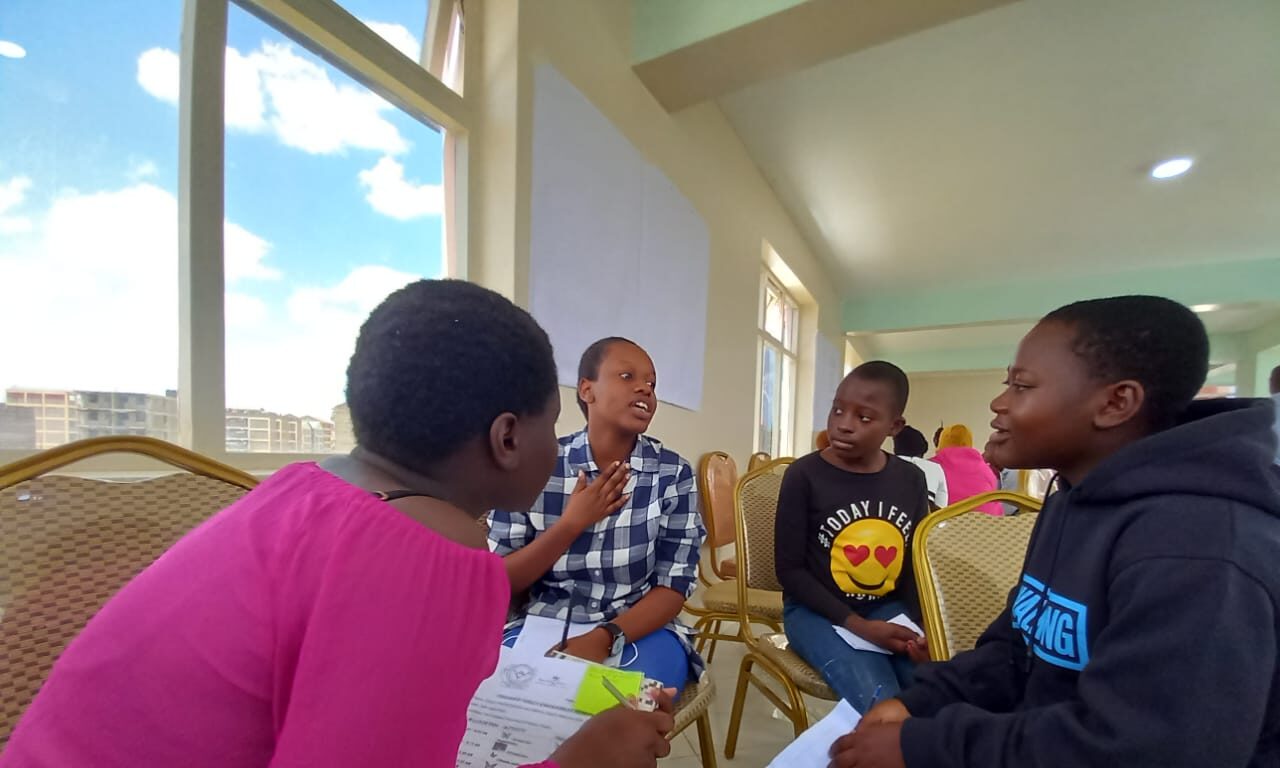
Good adolescent-friendly clinics address these barriers directly. They provide services that are confidential by design, not just by promise. They train their staff to engage with young people without judgment. They open at times young people can actually attend. They keep costs low or eliminate them entirely. They provide health education alongside clinical services. And – crucially – they involve young people themselves in deciding how services should run.
Evidence from low- and middle-income countries consistently shows that the most effective approach combines these clinic-level improvements with community outreach and demand generation – reaching young people where they already are, building trust, and making it genuinely easier to seek care. When all of this is done well, young people use services. They get tested. They access contraception. They make more informed decisions. The outcomes are measurable.
Policy Implications
Adolescent-friendly services do not sustain themselves without supportive policy environments. Several shifts are needed.
Policies requiring parental consent for young people to access contraception, HIV testing, or STI treatment effectively turn healthcare into a gatekeeper rather than a resource. Reviewing and reforming these laws – especially for services that directly prevent serious harm – is one of the highest-impact policy levers available. Young people should not be learning about their bodies and their rights through WhatsApp rumors and older siblings. Age-appropriate, evidence-based sex education needs to be part of every national school curriculum. CSE is not about encouraging sexual activity – research consistently shows it delays it and improves outcomes.
Adolescent health services that rely entirely on donor funding are fragile. Governments need to incorporate youth-friendly health services into national health budgets – including money for training providers, procuring SRH commodities, and maintaining the spaces themselves. And those services work best when they are connected to broader healthcare rather than siloed off on their own. A young person who comes in for contraception may also need counseling. A young man seeking an STI test may also be experiencing violence at home. Systems that can respond to the whole person will always outperform those that treat only the presenting condition.
Finally, changing how healthcare providers treat young clients requires structured, ongoing training – not a one-time workshop. And changing community attitudes requires honest, sustained engagement with parents, religious leaders, and elders about why young people need access to care, even – especially – before they are adults.
Conclusion The young woman who turns away from a clinic because she is afraid of being judged is not a statistic. She is a person navigating an impossible situation without the tools she deserves. Adolescent-friendly clinics are not a luxury or a nice idea – they are a practical, evidence-based response to a documented failure of health systems to serve young people. When they are done well, the results are real: fewer unintended pregnancies, lower HIV transmission, better health literacy, more young people staying in school and building the futures they chose. That is worth investing in. Every time.