Introduction
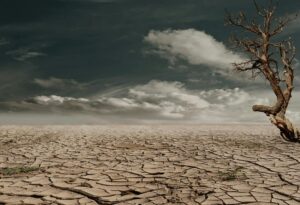
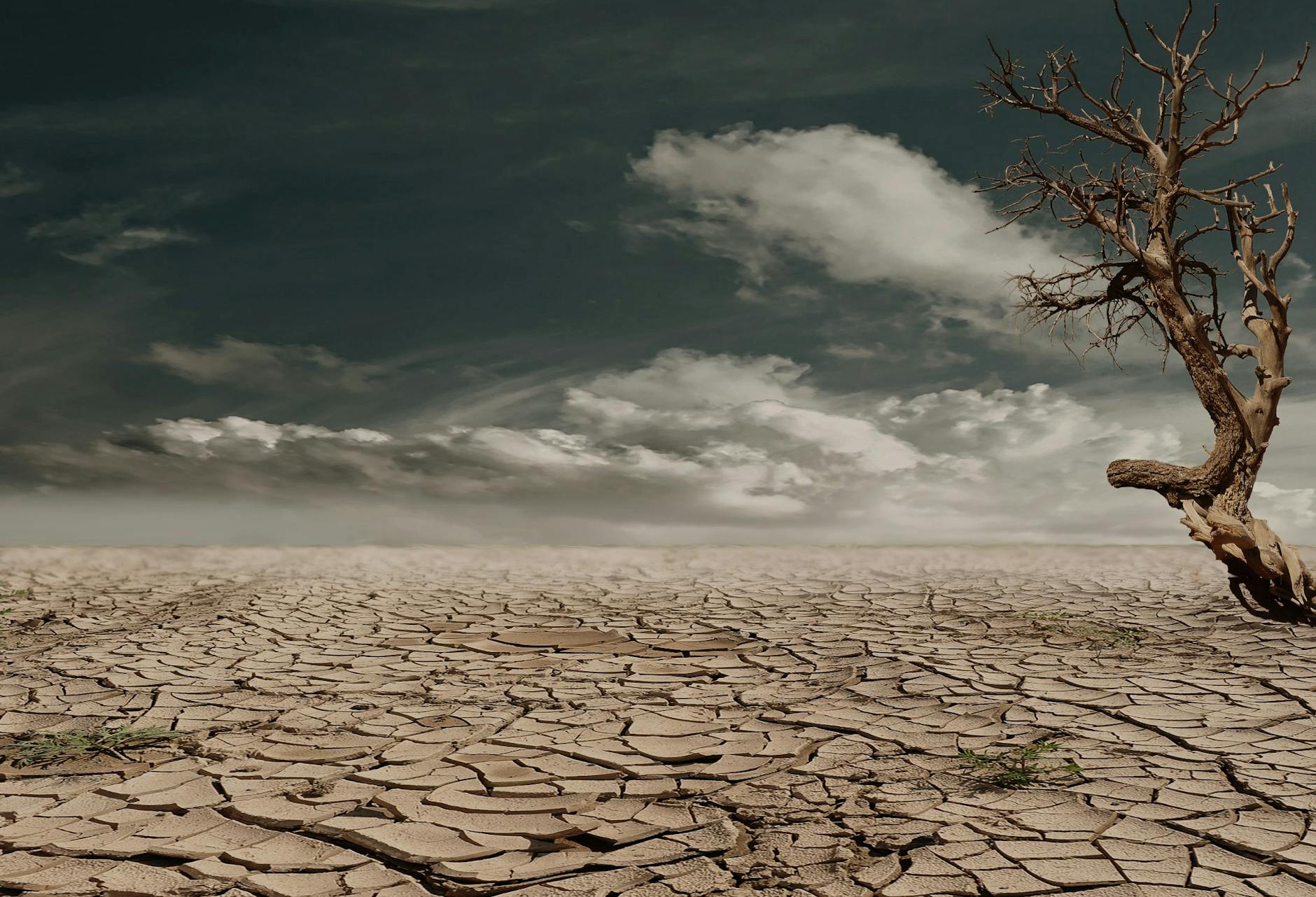
Climate change refers to long-term shifts in global temperatures and weather patterns that affect the natural systems people depend on for survival. While Earth has always experienced natural climate variation, the pace of change in recent decades is far beyond anything natural. The planet is warming at an alarming rate, and the consequences are already visible in the form of longer droughts, unpredictable rainfall, devastating floods, and extreme heat. In Kenya, some regions that once had reliable rain seasons now go months without a drop, while others are hit by flash floods that wash away crops and homes. The root causes of these changes are largely human in origin. The burning of fossil fuels such as petrol, diesel, coal, and gas for vehicles, factories, and electricity releases, carbon dioxide and other greenhouse gases that trap heat in the atmosphere. Large-scale deforestation removes trees that would otherwise absorb this carbon, making the problem worse. Industrial smoke, vehicle emissions, and even certain farming activities all add to the buildup of harmful gases in the air. Together, these causes are pushing the climate towards conditions that make life harder, especially for people who already live on very little.
1. Impact on Agriculture, Livelihoods, and Food Security
In Kenya, farming is not just an occupation; it is the backbone of most households. When the climate turns unpredictable, the damage lands first on the farm and then spreads quickly to every other part of family life.
- Disrupted Growing Seasons: For generations, Kenyan farmers understood the rhythm of the rains and planned accordingly. That rhythm has broken down. The long rains that traditionally fall between March and May now either arrive too late, too violently, or not at all. In many parts of Eastern Kenya, the effects of poor and erratic rainfall are felt as extended lean seasons where families run short of food before the next harvest arrives.
- Loss of Livelihoods: For pastoralist communities in Turkana, Kajiado, and surrounding areas, cattle are the equivalent of a savings account. When prolonged droughts dry up grazing land and water sources, entire herds can be lost within weeks. Families who spent years building up their livestock find themselves with nothing overnight, unable to pay school fees, medical bills, or even buy basic food.
- Food Insecurity and Rising Prices: When maize and bean harvests fail, the shortage quickly shows up at the market. The price of basic staples like flour shoot up, and low-income families are forced to cut the number of meals they eat each day or feed their children smaller portions. Over time, this deepens poverty and widens the gap between those who can absorb a bad season and those who cannot.
2. Health Consequences of Climate Change
The effects of climate change do not stop at the farm gate. They follow people into their homes, their bodies, and their minds. Communities that are already struggling to access healthcare are the most exposed.
- Malnutrition: Children bear the heaviest burden when harvests fail. Without enough food or variety in their diet, young children become malnourished, making them far more vulnerable to illness. A child who is already weakened by hunger struggles to recover even from minor illnesses that a well-fed child would shake off easily.
- Waterborne Diseases: Both droughts and floods contaminate water supplies in different ways. During dry spells, people turn to shared, unprotected water sources. During floods, pit latrines overflow into wells and rivers. Either way, the result is outbreaks of cholera, typhoid, and diarrhoea that hit the poorest households hardest, since they rarely have access to safe piped water.
- Expanding Malaria Zones: Rising temperatures are pushing malaria into areas that were previously too cool for mosquitoes to survive. Highlands in the Rift Valley, parts of Meru, and tea-growing areas around Kericho are now recording malaria cases that were virtually unheard of a generation ago. Communities in these areas have little immunity and are often unprepared for the disease.
- Mental Health: There is a side of climate change that rarely gets discussed but is very real. Watching a season’s harvest wash away in a flood, or seeing cattle die one by one during a drought, takes a serious toll on a person’s mental well-being. Research conducted in Kenya points to growing rates of depression and anxiety among farmers and mothers who face repeated shocks with no safety net to fall back on.
- Heat and Respiratory Problems: Prolonged dry seasons fill the air with dust and fine particles that aggravate the lungs. Children and the elderly are particularly affected, with rising numbers of asthma cases and other respiratory conditions being reported in areas experiencing more frequent dry spells and extreme heat.
3. Policy and Adaptation Solutions
Kenya is not sitting still in the face of climate change. Both at the community level and in government, practical steps are being taken to protect livelihoods and build long-term resilience.
Community-Level Adaptation
- Switching to Drought-Resistant Crops: Many farmers who once grew only maize are now mixing in sorghum, millet, and ndengu. These crops need far less water and can still produce a usable harvest even when the rains are disappointing, giving families something to fall back on.
- Rainwater Harvesting: Since rainfall now tends to come in short, heavy bursts and then disappear for long stretches, communities are building water pans and installing roof-catchment tanks. Collecting water during the rainy season means families are not left completely dry when the sun takes over.
- Shifting Livestock Choices: In dry counties like Kajiado, herders are gradually replacing cattle with camels and goats. Camels can go several days without water and are far hardier during droughts, which means families hold on to their wealth even when conditions turn harsh.
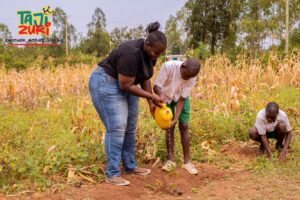
- Tree Planting for the Long Term: Communities are moving beyond simply putting seedlings in the ground and abandoning them. There is a growing focus on nurturing trees to maturity, particularly fruit trees like avocados and mangoes that provide both shade and income, helping to restore degraded land while feeding families.
Government Policy Interventions
- The 15 Billion Tree Initiative: The government has committed to a nationwide tree-planting programme aimed at restoring Kenya’s forest cover and bringing back more reliable rainfall. Through the JazaMiti application, ordinary citizens can record the trees they plant, making this a genuinely national effort rather than just a government policy on paper.
- Climate Finance to the Wards: One of the most meaningful shifts in policy has been pushing climate funding directly down to the ward level, rather than letting it sit in Nairobi. When money reaches communities, local people can decide for themselves whether they need a sand dam, a borehole, or a community forest, making projects far more relevant and more likely to be maintained.
- Bima ya Kilimo (Crop Insurance): The government is subsidising crop insurance for smallholder farmers. When drought or flooding destroys a season’s crop, the insurance pays out a portion of the loss. For a family living on thin margins, that payout can mean the difference between surviving the year and falling into serious debt.
- Early Health Warning Systems: The Ministry of Health has begun tracking how temperature changes and flooding events create the conditions for disease outbreaks. SMS alerts are now sent to communities at risk of malaria or cholera, giving people advance warning and time to take precautions before an outbreak takes hold.
Conclusion
Climate change is not a distant threat; it is already reshaping daily life for millions of Kenyans, deepening poverty and widening the gap between those with resources and those without. From failed harvests and dying cattle to spreading disease and broken water sources, its effects reach into every corner of family life. But Kenya is not without answers. Farmers are adapting on their own land, communities are rethinking how they store water and raise livestock, and the government is putting real money and policy behind long-term solutions. The challenge is making sure these efforts reach those who need them most, particularly women, children, and the rural people who tend to carry the heaviest burden when the weather changes. If that commitment holds, there is genuine reason to believe that the next generation of Kenyans can face a changing climate from a position of strength rather than desperation.