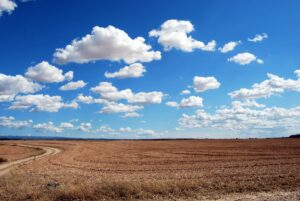

Imagine a farmer preparing her land at the beginning of the planting season. She has bought seeds, prepared the farm and is depending on the rains to feed her family and earn an income. But the rains arrived late. When they finally come, they are too heavy and wash away parts of her crops. Months later the harvest is smaller than expected and the price of food at the market has gone up. For many families this is not just a story it is becoming part of everyday life.
Climate Change and Food Security
Climate change refers to long term changes in temperatures, rainfall patterns and other weather conditions. These changes are influenced largely by human activities such as burning fossil fuels, deforestation and activities that release greenhouse gases into the atmosphere.
Food security means that everyone, at all times, has access to enough, safe, nutritious and affordable food to live a healthy and active life. When farmers harvest less, families may have less food to eat and less income to support their households.
Effects on Livestock:
Climate change also affects animals during prolonged dry periods, pasture and water become scarce. Animals may become weak, produce less milk or meat, become more vulnerable to diseases or even die.
For some of the families that depend on livestock for food, income or school fees, losing these animals can have a serious consequence that may lead to some difficulties and eventually poverty. It is the same as lack of rainfall can eventually affect the entire farm or harvest of that year if one is lacking proper farming skills to put into practice.
Socioeconomic effects:
When crops fail or livestock production decreases, there may be less food availability in local markets. At the same time, farmers and traders may face increased cost for water, animal feeds, transportation, seeds and other agricultural inputs. These costs can eventually be reflected in food prices for a family already living on a limited income, an increase in the price of maize flour, vegetables, milk or other basic foods can make everyday life much harder. Some families may be forced to buy smaller quantities, choose cheaper and sometimes less nutritious foods or reduce the number of meals they take.
This may affect people in different ways;
Climate change does not affect everyone in the same way communities that depend heavily on farming, fishing, livestock or natural resources can be particularly vulnerable. Low income households may have fewer resources to recover after droughts, floods or poor harvest. Children can face increased risks of hunger and malnutrition when nutritious food becomes unavailable or unaffordable.
Women may also face additional challenges because they often play major roles in food production, water collection, food preparation and caring for family members. This means that addressing climate change is not only about protecting the environment, it is also about protecting people’s livelihoods, health, dignity and future.
Recommendations:
The good news is that communities are not powerless. There are practical ways to adapt to climate change and strengthen food security. Farmers can practice climate smart agriculture, including planting drought tolerant crops, diversifying crops, conserving water, protecting soil, practicing agroforestry and using improved farming techniques.
Diversifying sources of food and income can also help families become more resilient: kitchen garden, poultry keeping, small livestock projects and other suitable livelihood activities can provide additional food and income. Communities can also protect forests, plant trees, conserve water, restore degraded land and regrade land and reduce activities that contribute to environmental destruction.
Access to accurate weather information is important, when farmers know when rains are expected or when extreme weather may occur, they can make better decisions about planting, harvesting, livestock and water management. Governments, schools, community organizations and development partners also have an important role to play by supporting farmers with training in climate information, appropriate technologies, quality seeds, financial support and access to markets.
Food security begins long before food reaches our plates. It begins with the farmers who prepare the soil, the availability of water, the seed planted in the ground, the health of livestock and the weather that determines whether a harvest succeeds or fails. Climate change reminds us that these connections matter, by protecting our environment, supporting farmers, reducing food waste, conserving water and helping vulnerable communities adapt we can build stronger and more resilient communities’
The question is no longer simply whether climate change will affect our food. It is how prepared we will be to protect the food livelihood and communities that depend on it.
Conclusion
Climate change is not something that only affects the environment. We see its effects in our farms, markets and even in the food we put on our tables. When rain fails, crops are affected. When food becomes scarce, prices go up and families with limited resources are often who feel the impact most. But there is still something we can do. We may not be able to control the weather but we can change how we respond to it. Farmers can try new farming methods that help them cope with changing weather while communities can protect trees, save water, care for the land and avoid wasting food. Everyone has a role to play. It could be as simple as planting a tree, growing vegetables at home, supporting local farmers or sharing useful information with someone in my community.