
Introduction
Our planet is warming fast, and the effects are showing up everywhere, from dangerous weather to damaged ecosystems. Climate change simply means long-term shifts in temperature and weather patterns, and people are the main cause. When we burn coal, oil, and gas, the gases released stay in the air and trap heat around the Earth like a thick blanket.
Background
Factories, cars, and power plants have been pumping these gases into the air for generations. Over time, global temperatures have crept up, the ice at the poles has melted, and the seas have risen. World leaders usually talk about all this in huge, global terms, but the real damage lands in towns and neighborhoods. Farmers, fishermen, and forest workers feel it first because their livelihoods depend directly on nature. Vulnerable communities, with socio-economic constraints, also take much longer to recover when disaster strikes.
The Earth Is Changing
Some effects of climate change arrive suddenly, like storms and floods. Others build slowly, like drought. Warmer air and oceans fuel stronger storms, longer heatwaves, flash floods, and severe dry spells. Warmer seawater expands, and together with melting ice it creeps onto coastal land, spoils fresh drinking water, and eats away at beaches. Plants and animals struggle too. Many have to relocate as their habitats change, and those that can’t may disappear altogether.
How Local Communities Are Affected
The effects reach into everyday life: our health, our safety, and how we earn a living. When rains become unpredictable or dry spells drag on, crops fail, food runs short, and prices at the local market climb. Extremely hot days can cause heatstroke and heart problems. Warmer weather helps mosquito-borne diseases spread, and floods contaminate drinking water. Big floods and wildfires can wipe out homes, roads, power lines, and schools, leaving families and local governments with enormous repair bills. And when farmland dries out or gets swallowed by the sea, families often have no choice but to leave home and head to the cities in search of work.
Evidence/Examples
Long droughts in Kenya, Ethiopia, and Somalia have destroyed crops and killed livestock, leaving millions of people dependent on emergency food aid. In low-lying island nations like Tuvalu, the ocean is slowly taking the land, and people are being pushed away from the coast. Even in big cities, concrete buildings and roads soak up heat. Poor neighborhoods with no trees and no air conditioning can become dangerously hot in summer.
Recommendations and possible solutions
Protecting our communities will take action at every level. We can start from a need for safer neighborhoods. That means stronger homes, sea walls, and better drainage so towns can withstand sudden floods and heavy storms.
Farmers also need help adapting, using drought-tolerant seeds, modern irrigation, and better farming methods, to help them keep producing food even with very little water and rainfall.
We should move away from dirty fuels and toward clean energy such as solar and wind, so we can power our homes without polluting the air.
Early warning systems matter as well. If alerts reach people by phone and radio, they get time to reach safety before bad weather hits and disaster strikes.
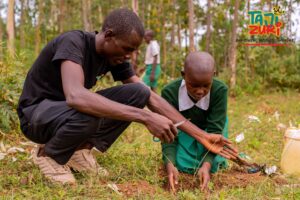
Finally, we have to look after nature. Planting trees and protecting coastal forests helps because trees absorb harmful gases, cool the surrounding area, and act as natural barriers against floods.
Conclusion
Climate change is a real and present threat to communities around the world. Once we understand what causes it and how it harms our health, our work, and our homes, we can start working on it together. The solution begins with cutting pollution and making our communities stronger and safer. Small changes at the local level, paired with bold decisions from world leaders, can protect our families and leave a better world for the generations that follow.