HEALTH, NUTRITION & WELLBEING
At TajiZuri, we know that education cannot exist in isolation. A hungry child cannot concentrate. A child who is unwell cannot attend school. A child who has never been taught about their own body cannot protect themselves. Our health programs tackle these realities head-on building knowledge, changing behaviour, and creating safer, healthier environments for children to grow in, learn in, and thrive in.
Breaking the Silence. Restoring the Dignity.
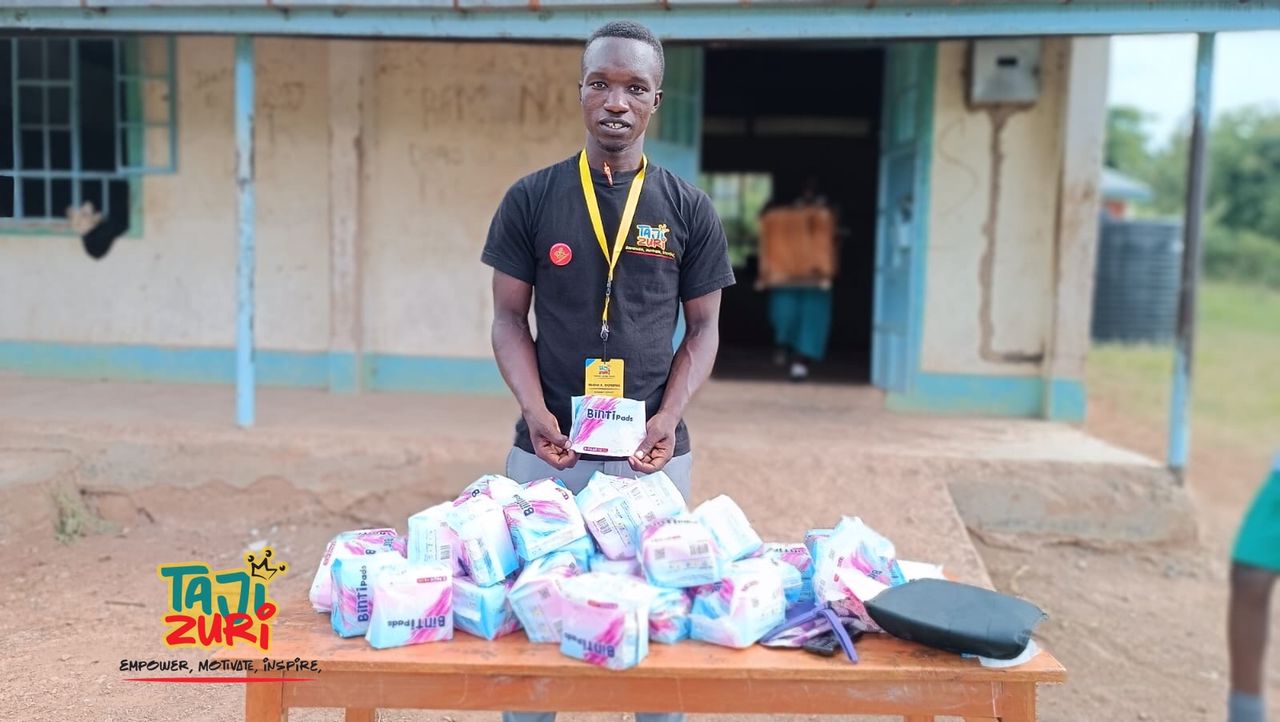
Menstrual Pride — Menstrual Health Education Program
In many rural communities across Kenya, menstruation is still surrounded by silence, shame, and misinformation. Girls miss school during their periods not because they are unwell, but because they lack sanitary products, accurate information, and the confidence to manage their health without fear or embarrassment.
They are told periods are dirty. They are excluded from activities. They grow up without the knowledge or products to manage their health with dignity. The result is predictable and devastating: school absenteeism, early dropout, and young women who have been taught to feel ashamed of their own bodies.
Menstrual Pride is TajiZuri’s school-based menstrual health education program. It delivers accurate, age-appropriate, and unbiased information about menstruation to girls in both schools and the community —through focused group discussions, mentor sessions, and safe one-on-one conversations.
What Menstrual Pride Covers
- What menstruation is and why it happens — explained clearly, honestly, and without shame. Girls learn that a period is a sign of a healthy, growing body — not something to be hidden or feared.
- Busting common myths about periods — addressing the misinformation that keeps girls fearful, uninformed, and excluded from normal activities. Girls learn the truth about swimming, exercise, food restrictions, and the social taboos that surround menstruation in their communities.
- Menstrual hygiene management — how to use sanitary pads, cloth pads, and other menstrual products safely and correctly. Girls are taught step-by-step how to change pads, wash their hands, dispose of products hygienically, and maintain personal cleanliness throughout their period.
- Emotional support and body confidence — helping girls feel proud of, not ashamed by, their bodies. Sessions create space for girls to share their fears, ask questions, and hear from peers and facilitators that what they are experiencing is normal, manageable, and nothing to be embarrassed about.
- Sexual and Reproductive Health Rights (SRHR) — age-appropriate information about rights, relationships, and bodily autonomy. Girls learn that they have the right to accurate health information, the right to refuse unwanted touch, and the right to make informed decisions about their own bodies.
Who Menstrual Pride Serves
Young women and girls in TajiZuri’s partner schools and surrounding communities. Sessions are delivered by trained facilitators in a safe, girl-centered, and culturally sensitive environment where every question is welcome and every experience is respected.
Why Menstrual Pride Matters
When a girl understands her body, she is less likely to miss school during her period, more likely to make safe and informed health choices, and more able to advocate for herself and for other girls. Menstrual Pride is not just a health program. It is a dignity program. And dignity once restored is something no one can take away.
Safe Children Learn Better.
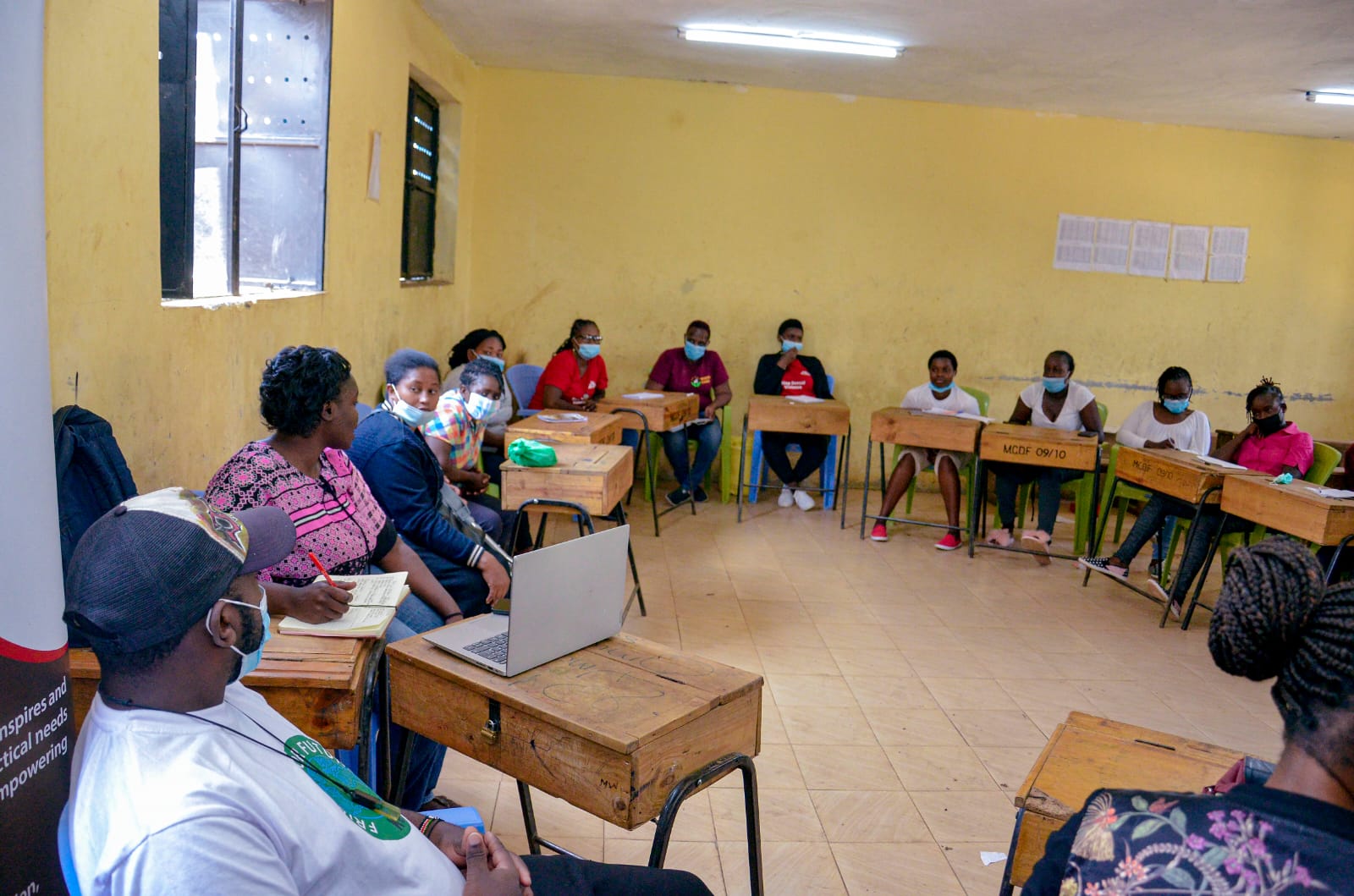
Child Protection — Safeguarding Program
A child who does not feel safe cannot focus on learning. A child who does not know their rights cannot protect themselves. A child who has no trusted adult to turn to when something is wrong has nowhere to go.
TajiZuri’s Child Protection program works to build a safe ecosystem around every child we serve — in schools, in homes, and in the broader community. We focus on three groups simultaneously: the children themselves, the adults who care for them, and the community structures that surround them. Because safety is not built by one person — it is built by a whole ecosystem working together.
What the Child Protection Program Does
- Trains teachers, parents, and community members to recognise the signs of abuse — physical, emotional, sexual, and neglect and to know exactly how to respond when they encounter them. Many cases of child abuse go unreported not because adults do not care, but because they do not know what to do. This program changes that.
- Educates children about their rights in age-appropriate, accessible language — including the right to say no to unwanted touch, the right to be heard, the right to ask for help, and the right to be safe in their school and home environments.
- Offers training to grassroots groups and development partners to strengthen child protection networks at the community level building a wider safety net that extends beyond TajiZuri’s direct reach.
- Creates clear and trusted reporting pathways so that children know exactly who they can talk to if they feel unsafe and so that adults around them know how to receive that information with care and respond appropriately.
Why Child Protection Matters
Child protection is not a standalone issue it is the foundation of everything else we do. When children feel safe, their mental health improves, their school attendance increases, and their learning outcomes improve. Safety is not a luxury for children. It is their right and it is our responsibility to protect it.
Good Nutrition. Great Education.
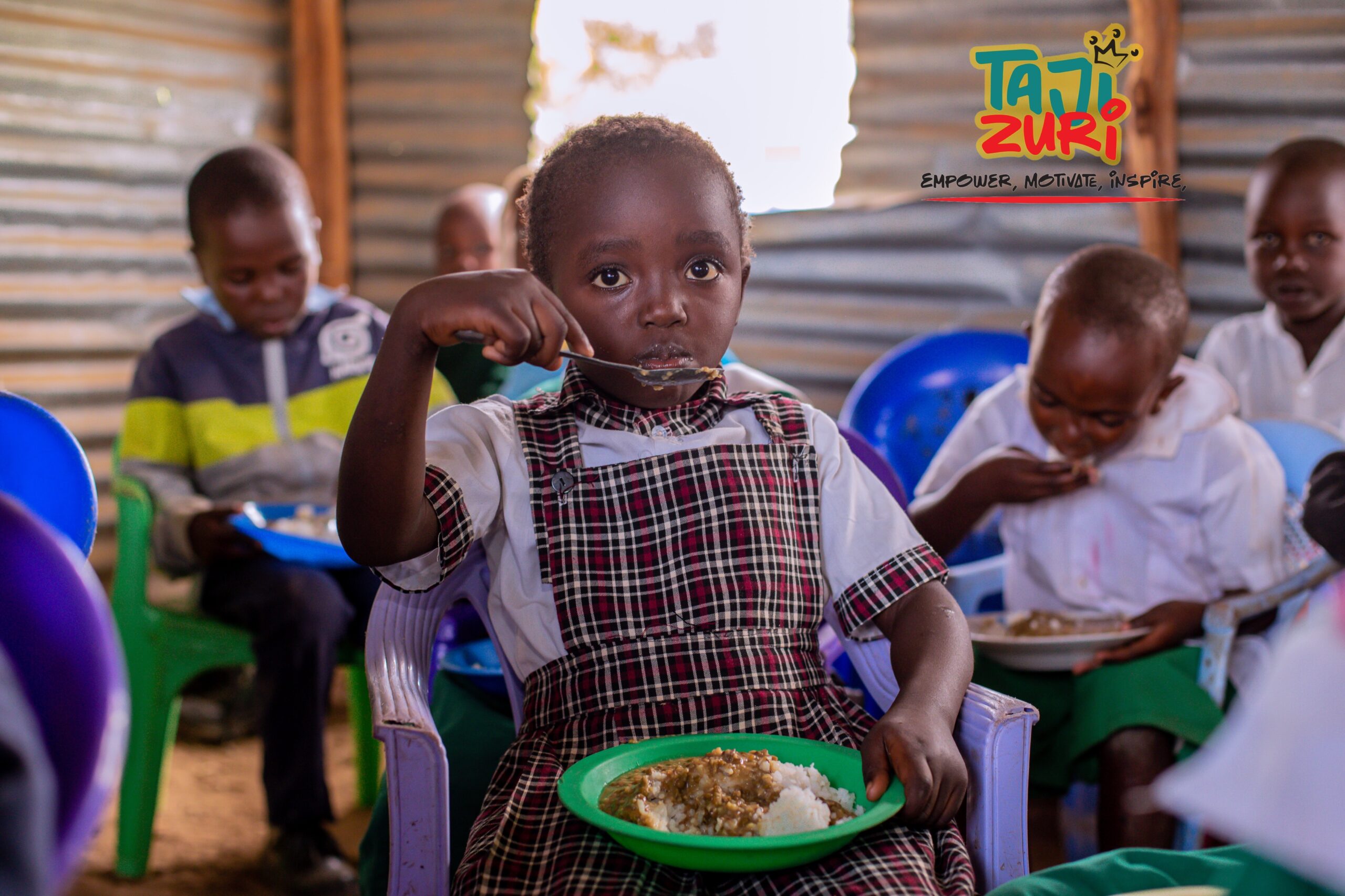
Lishe Bora, Elimu Bora — School Nutrition Program
Lishe Bora, Elimu Bora means Good Nutrition, Good Education in Swahili. The connection between these two things is not just poetic, it is scientific, well-documented, and urgently real for the children TajiZuri serves.
A hungry child cannot learn. A child who arrives at school without breakfast cannot concentrate. A child whose diet lacks essential nutrients struggles with cognitive development, energy, and the basic ability to sit still and absorb what is being taught. In rural Kenya, where food insecurity is a daily reality for many families, this is not a hypothetical problem. It is the lived experience of thousands of children who show up to school every day doing their best with too little fuel in their bodies.
Lishe Bora, Elimu Bora works to ensure that children in TajiZuri’s partner schools have access to fresh, healthy meals as part of their school day because food is not separate from education. It is the foundation of it.
What the Lishe Bora Does
- Provides healthy, nutritious meals to learners in partner schools, reducing hunger and improving the concentration, energy, and attendance of every child who participates.
- Builds the knowledge and capacity of caregivers around nutrition-sensitive and nutrition-specific practices helping families understand what a balanced diet looks like and how to achieve it with the resources they have.
- Integrates nutrition education into TajiZuri’s broader health and wellbeing programming — linking what children eat to how they feel, how they learn, and how they grow.
Why Lishe Bora Matters
Good nutrition positions a child for success at every level. It raises their chances of survival in the early years. It supports brain development during the critical primary school period. It creates better outcomes in the classroom, stronger immune systems, and children who are present physically, mentally, and emotionally to learn. When we feed a child, we are not just filling their stomach. We are investing in their future and in the future of their community.
Healthy smiles,confident lives.
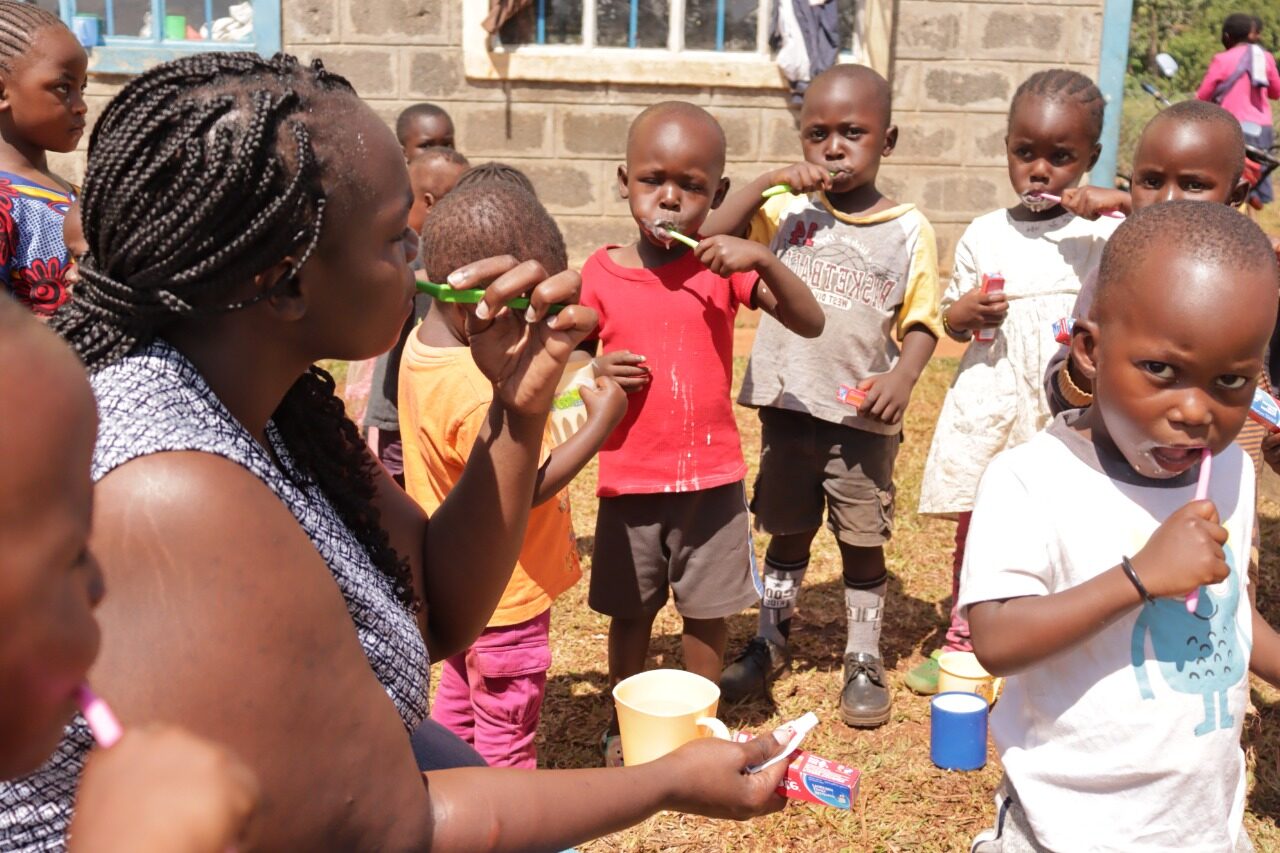
Smile for Life — Oral Hygiene Program
Oral health is one of the most consistently overlooked aspects of child wellbeing in rural Kenya. Many children have never owned a toothbrush. Dental pain is a common but rarely addressed cause of school absenteeism. And yet, good oral hygiene is simple, affordable, and genuinely life-changing if only someone shows up to teach it.
Smile for Life is TajiZuri’s oral hygiene awareness and education program. We work with partner schools and communities to raise awareness, distribute basic oral hygiene supplies, and build lasting daily habits of good oral care habits that children will carry with them long after our visit.
What Smile for Life Does
- Conducts oral hygiene awareness campaigns in partner schools and communities using interactive sessions to teach children why oral health matters and what happens when it is neglected.
- Distributes toothbrushes and toothpaste to learners who do not have access to them ensuring that the barrier to good oral hygiene is never simply the cost of a toothbrush.
- Educates children and caregivers on proper brushing techniques, recommended brushing frequency, and daily oral care habits that prevent decay, gum disease, and dental pain.
- Coordinates with partner organizations to amplify the voice of oral health in rural communities building a broader culture of health awareness that extends beyond the classroom.
Why Smile for Life Matters
A child with good oral health is more likely to attend school regularly, eat without pain, and feel confident in social settings. Dental health issues are entirely preventable. They are one of the hidden barriers keeping children from fully participating in school. Smile for Life is about more than clean teeth. It is about teaching children to take pride in their health, from the inside out and about the radical idea that every child, regardless of how little their family earns, deserves a healthy smile.