
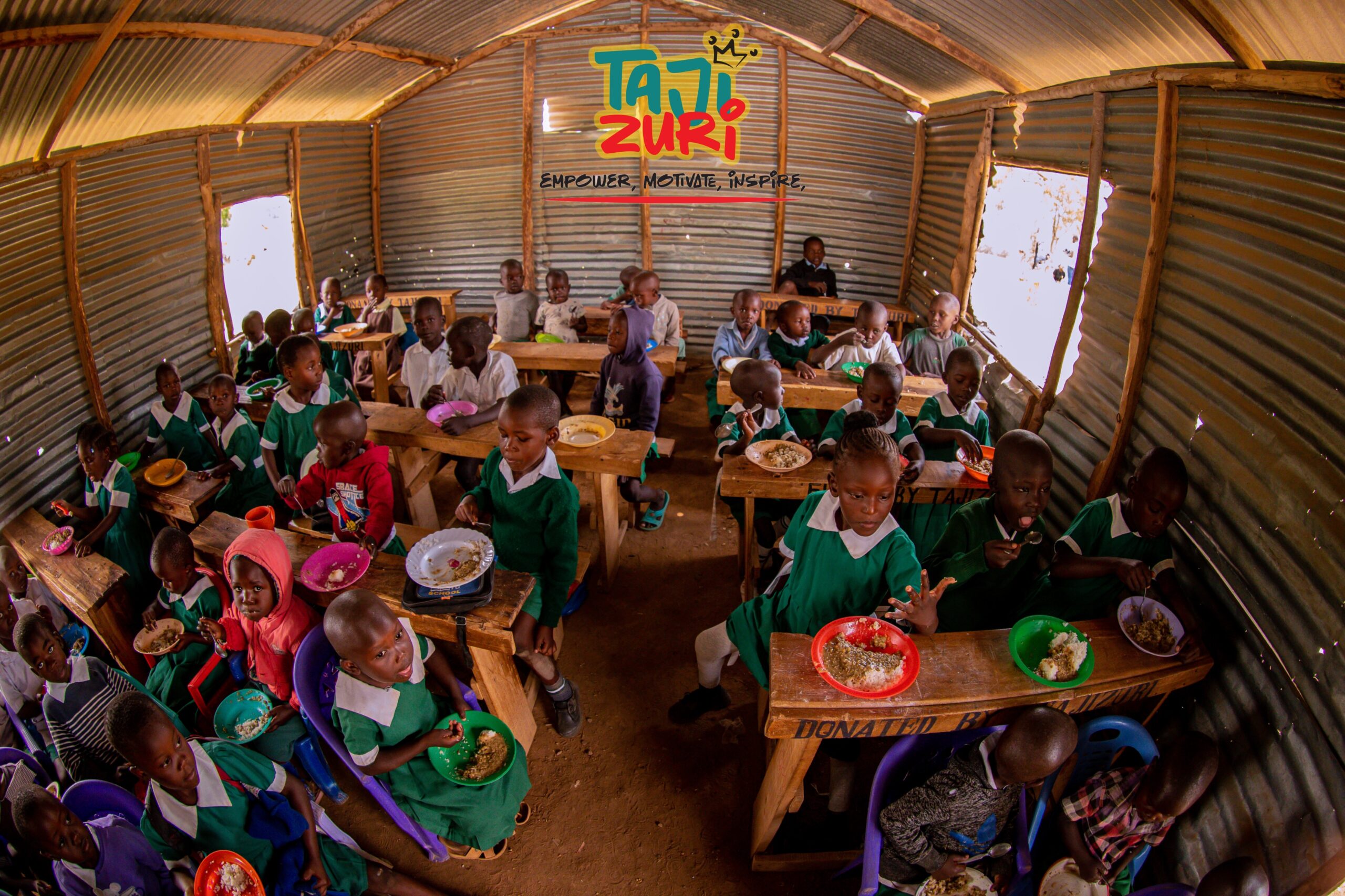
Introduction
The World Food Program defines school meals as food provided to children through schools, either in the form of full meals, with an aim of providing their nutrition, health and learning outcomes. Their primary role is to fight hunger; their impact stretches far beyond nutrition. They act as the bridge to education, health, equality and social inclusion.
Through school meals there is a direct improvement in education, as well-fed children can concentrate better, attend school more regularly, and perform well academically. They also promote health, ensuring children receive essential nutrients that support physical growth and cognitive development. They also foster social inclusion, by creating a sense of community and fairness where every child, regardless of the background, has equal access to nutrition and learning opportunities.
The role of school meals in education
School meals directly influence the learning environment. Children may struggle with low concentration, fatigue and absenteeism when they have not taken a meal. Providing meals ensures that learners remain focused, energetic and engaged throughout the school day. School feeding programs also encourage higher enrolment and retention rates, since parents are more willing to send their children to school when meals are guaranteed. For girls especially, school meals are a motivating factor that reduces early products and child labor, paving the way for long-term empowerment through education.
School meals as a tool for reducing inequality
School meals act as an equalizer by bridging gaps between children of different socio-economic backgrounds. By giving all students the same access to meals, schools reduce disparities in health and academic performance. Moreover, school meals encourage gender equality as families often enroll both boys and girls when meals are assured. They also promote social inclusion for children with disabilities or from marginalized communities, ensuring no learner is left behind.
Challenges faced by school meals and Recommendations
- Limited funding and sustainability: Many school meals programs depend heavily on donor funding, making them vulnerable to interruption when financial support declines.
Recommendation: Governments should integrate school feeding into national budgets and policies. Partnering with local communities and private sectors can also diversify funding sources, ensuring long-term sustainability.
- Inadequate nutritional value of meals: In certain cases, meals provided are filling but not necessarily balanced lacking key vitamins and minerals needed for healthy growth.
Recommendation: Menus should be designed with the guidance of nutritionists to ensure balanced diets. Linking programs with local farmers can provide fresh, diverse and culturally relevant foods.
- Overdependent on external suppliers: In many areas’ food is sourced from distant suppliers which raises cost and reduces community involvement.
Recommendation: Implement a “home grown school feeding” program that sources food locally from smallholder farmers. This not only supports local economies but also ensures freshness and sustainability.
- Inequality in access: In some regions, only select schools benefit from feeding programs, leaving out children in equally needy communities.
Recommendation: Governments and partners should expand coverage gradually to reach all schools, prioritizing marginalized and rural areas where hunger is most acute.
Conclusion
School meals are more than nourishment; they are a tool for empowerment, equality and sustainable development. They enhance learning, promote good health and reduce inequality by giving every child a fair chance to succeed. However, challenges such as inadequate funding, poor infrastructure and unequal access need urgent solutions. By investing in sustainable, inclusive and nutrition-focused school feeding programs governments and communities can ensure that no child is left behind and that education becomes a true pathway to equality.