ADVOCACY AND COMMUNITY SYSTEM STRENGTHENING
Teamwork is core to our work. We embody the teamwork spirit by engaging the communities we serve for a collective effort. Through structured community conversations, practical skills training, and sustainable urban farming programs, we are building communities that do not just survive, they thrive.
Community Conversations That Change Minds and Move Communities.
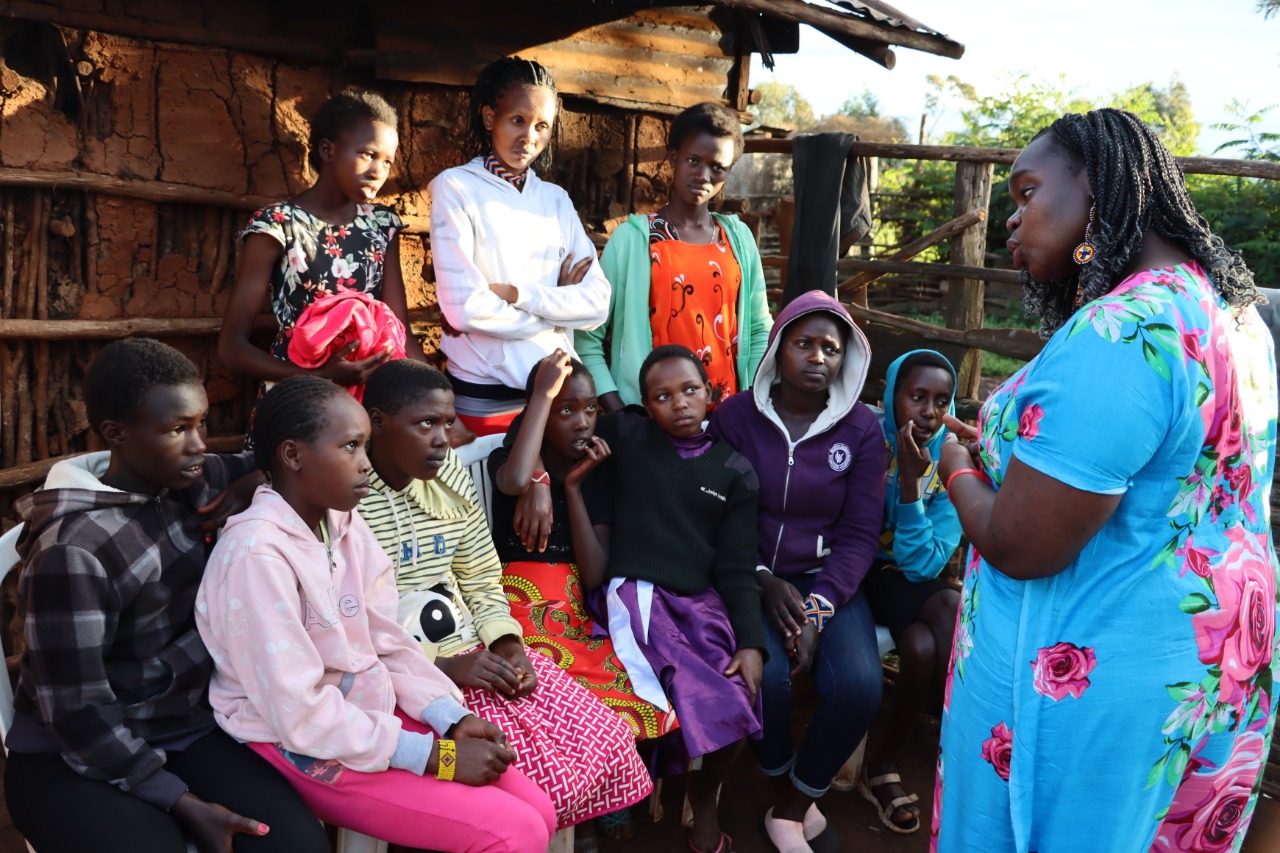
Gumzo Mashinani — Community Dialogue Program
Gumzo Mashinani means Community Conversations in Swahili. This program is based on a simple but powerful idea: when community members come together to talk honestly about education, health, and wellbeing, something shifts. Attitudes change. Behaviour changes. Children benefit.
Through structured community dialogues, TajiZuri facilitates conversations in schools and communities around the barriers to education, the critical importance of parental involvement, and the role that every community member — from the village elder to the market trader plays in a child’s journey through school. We create the space. The community brings wisdom.
What Gumzo Mashinani Does
- Facilitates structured community dialogues on education, health, and wellbeing in partner schools and villages creating safe, inclusive spaces where honest conversation is possible.
- Engages parents, caregivers, teachers, and community leaders in conversations designed to promote behaviour and mindset change shifting the narrative from ‘education is the school’s job’ to ‘education is everyone’s responsibility’.
- Creates awareness around the role the whole community plays in a child’s education journey — from ensuring children arrive at school on time to creating home environments that support learning.
- Documents insights, challenges, and community perspectives, feeding these learnings back into TajiZuri’s program design and advocacy to ensure our work remains responsive and relevant.
Why Gumzo Mashinani Matters
No program delivered inside a school can succeed if the child goes home to an environment that does not support it. Gumzo Mashinani bridges that gap turning parents and community members from passive bystanders into active, invested partners in every child’s education journey. Because the village that raises a child must also believe in them.
Teach a Person to Fish and They Feed Their Community for a Lifetime.
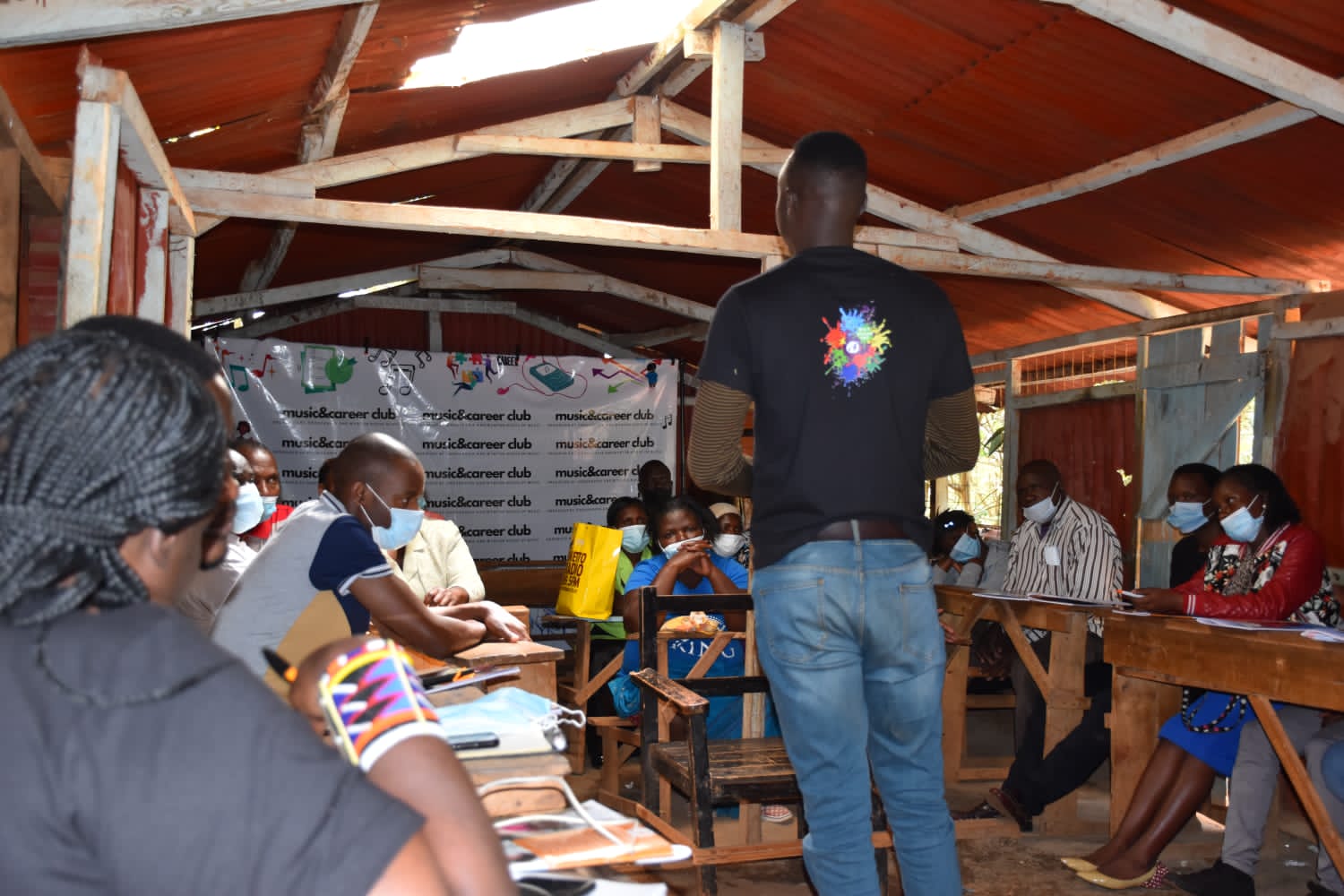
Jenga Jamii — Economic Empowerment & Skills Training
Jenga Jamii means Build the Community in Swahili. This program invests in the long-term economic resilience of the communities TajiZuri serves by equipping caregivers and out-of-school youth with the practical, marketable skills they need to generate income, support their families, and build better futures.
We believe strongly that economic empowerment and education are inseparable. When a caregiver earns a reliable income, their child is more likely to stay in school. When a young person who has dropped out gains a livelihood skill, the cycle of poverty that caused the dropout in the first place begins to break. Jenga Jamii addresses the economic dimension of education because the ability to keep a child in school often comes down to whether a family can afford to.
What Jenga Jamii Does
- Provides vocational and life skills training to caregivers and out-of-school youth in partner communities covering areas such as tailoring, cooking, small business management, and other locally relevant income-generating skills.
- Connects participants with income-generating opportunities through TajiZuri’s collaborations and partnerships linking newly trained individuals with markets, suppliers, and networks that can support their enterprises.
- Builds financial literacy and basic entrepreneurship skills helping participants understand how to manage money, save consistently, and grow small businesses sustainably over time.
- Supports participants to launch small enterprises and income-generating activities walking with them beyond the training room and into the reality of economic self-reliance.
Why Jenga Jamii Matters
Economic empowerment at the household level is one of the most effective and lasting ways to improve child education outcomes. When families are financially more stable, children stay in school longer, eat better, and have access to the books, uniforms, and materials they need to succeed. Jenga Jamii is TajiZuri’s investment in the economic foundation that makes everything else possible.
Farming Smarter. Eating Better. Living Sustainably.
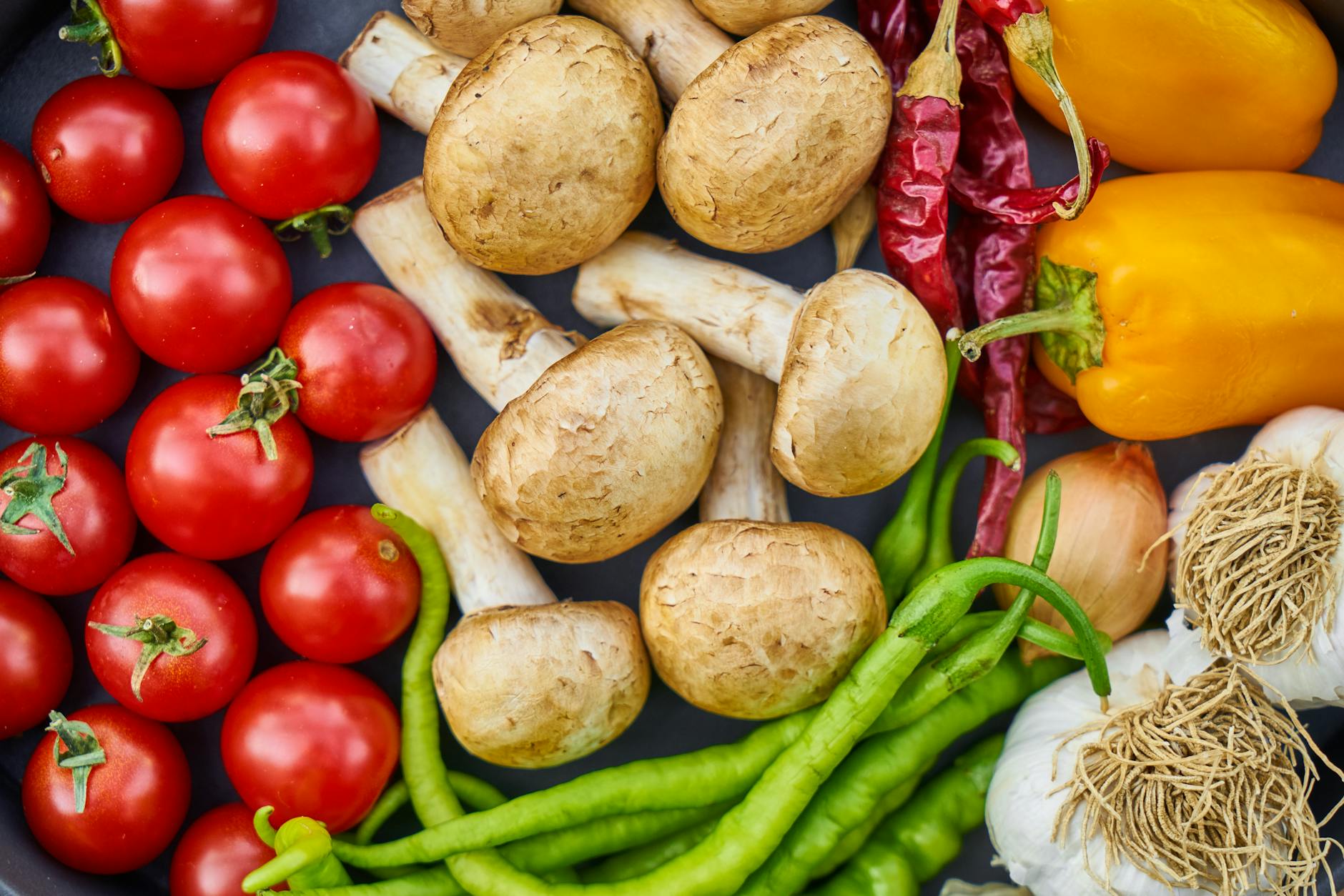
Ukulima Mamboleo — Sustainable Farming Program
Ukulima Mamboleo means Modern Farming in Swahili. This program embraces innovative, technology-driven farming methods as a practical, accessible response to two of the most pressing challenges facing rural Kenyan communities: food insecurity and the growing effects of climate change.
We teach learners, teachers, and caregivers how to grow food sustainably using cone farming, hydroponics, and vertical farming techniques that require minimal land and minimal water, but produce fresh, nutritious vegetables that families can eat and sell. These are not expensive or inaccessible technologies. They are smart, practical solutions that communities can implement with what they already have.
What Ukulima Mamboleo Does
- Trains learners, teachers, and caregivers in modern Agri-nutrition techniques including cone farming, hydroponic systems, and vertical growing structures making sustainable food production possible even in small spaces with limited water.
- Establishes school and household gardens as demonstration sites and active food production hubs places where learning and growing happen side by side.
- Links food production directly to nutrition education helping families understand the nutritional value of what they grow, how to prepare it healthily, and how home-grown food supports child wellbeing and academic performance.
- Supports participants to sell surplus produce as a source of household income turning a family garden into a small but meaningful economic asset.
- Plants indigenous and fruit trees around households and schools as part of TajiZuri’s broader environmental stewardship commitment connecting sustainable farming with climate action.
Why Ukulima Mamboleo Matters
When a school or household can grow its own food, children eat better, families spend less, and communities become more resilient to the food price shocks and weather disruptions that climate change is bringing with increasing frequency. Ukulima Mamboleo is about food security, climate resilience, and economic empowerment all growing from the same seed. And that seed, once planted, keeps giving long after TajiZuri’s facilitators have gone home.