OUR PROGRAMMES
Our education programs are designed to support the whole learning ecosystem: the student, the teacher, and the caregiver. From mentorship and scholarships to classroom furniture, puberty education, a free community library, and climate action, we address the barriers that keep children from reaching their full potential.At the same time, we’re nurturing a generation equipped not just to succeed in school, but to steward the world they’ll inherit.
Growing Up Confident, Healthy, and Respectful.
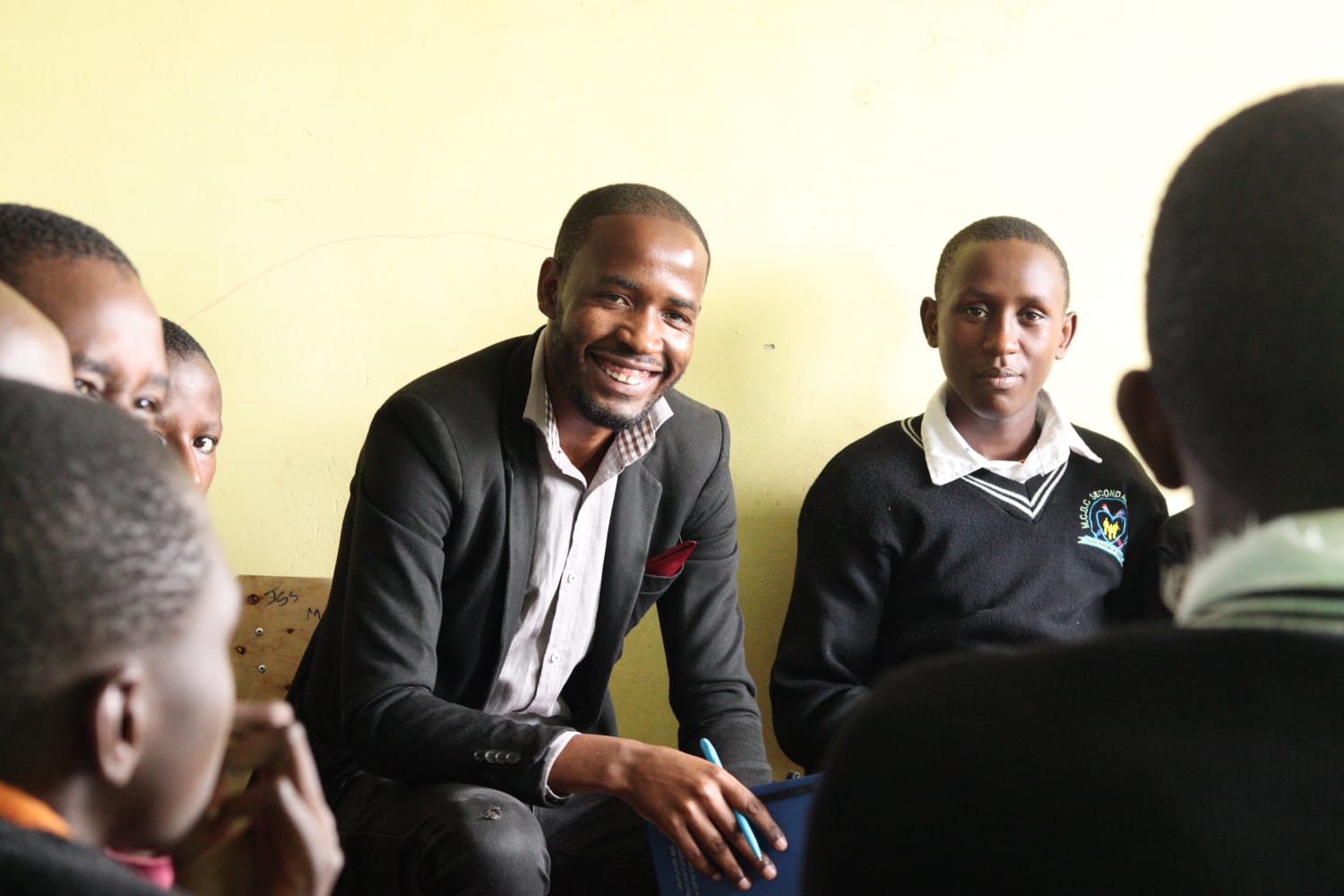
Kamili Ndugu — Boys Puberty Education & Mentorship
Kamili is a Swahili word that means without flaws complete, whole, and fully formed. That is exactly who we believe every boy can become.
Kamili Ndugu is TajiZuri’s boys’ puberty education and mentorship program targeting boys aged 10 to 16 in upper primary school. It was created in response to a clear gap: boys in rural Kenya have very few safe spaces to ask questions, express vulnerability, or learn about the physical and emotional changes happening in their bodies and minds during puberty.
In many schools, puberty is either ignored entirely or addressed briefly that boys are left confused, embarrassed, and without the tools to navigate one of the most significant transitions of their lives. Kamili Ndugu changes that. It creates a structured, safe, and interactive space where boys can learn, ask questions, and grow guided by trained TajiZuri mentors who show up not as authority figures, but as older brothers and friends.
What Kamili Ndugu Covers
- Emotional Changes and Mood Regulation — Puberty brings significant hormonal changes that can cause mood swings, anger outbursts, and emotional confusion. This module helps boys understand what Disruptive Mood Dysregulation Disorder (DMDD) is, identify their emotional triggers, and practice healthy coping strategies such as talking, deep breathing, and physical exercise. Through role-play and open discussion, boys learn to manage their emotions rather than be controlled by them.
- Self-Identity and Self-Esteem — Boys are guided through a structured self-exploration process using SWOT analysis and creative activities like the Identity Shield — where they map out their values, strengths, goals, and the things that make them uniquely themselves. This module builds confidence and helps boys resist negative peer pressure by anchoring them in a strong sense of who they are.
- Reproductive Health, Hygiene, and Consent — Using age-appropriate language and diagrams, boys learn about the physical changes of puberty — including growth spurts, voice changes, acne, wet dreams, and the male reproductive system. Critically, this module also covers personal hygiene, respect, consent, and responsible behaviour — because growing into a man means understanding not just your body, but your responsibility to others.
Who Kamili Ndugu Serves
Boys aged 10 to 16 in TajiZuri’s partner schools in rural Kenya. Sessions are facilitated by trained TajiZuri mentors in a small-group format open, non-judgmental, interactive, and grounded in real life. Mentors are encouraged to share their own experiences, use humor, and create an environment where no question is too awkward and no answer is wrong.
Why Kamili Ndugu Matters
When boys understand their bodies, manage their emotions, and grow up with a strong sense of self-worth and respect for others, they become better students, better community members, and better men. They are less likely to engage in harmful behaviour and more likely to support the girls and women around them. Kamili Ndugu plants those seeds early at exactly the moment they can take root.
My Voice. My Confidence. My Future.
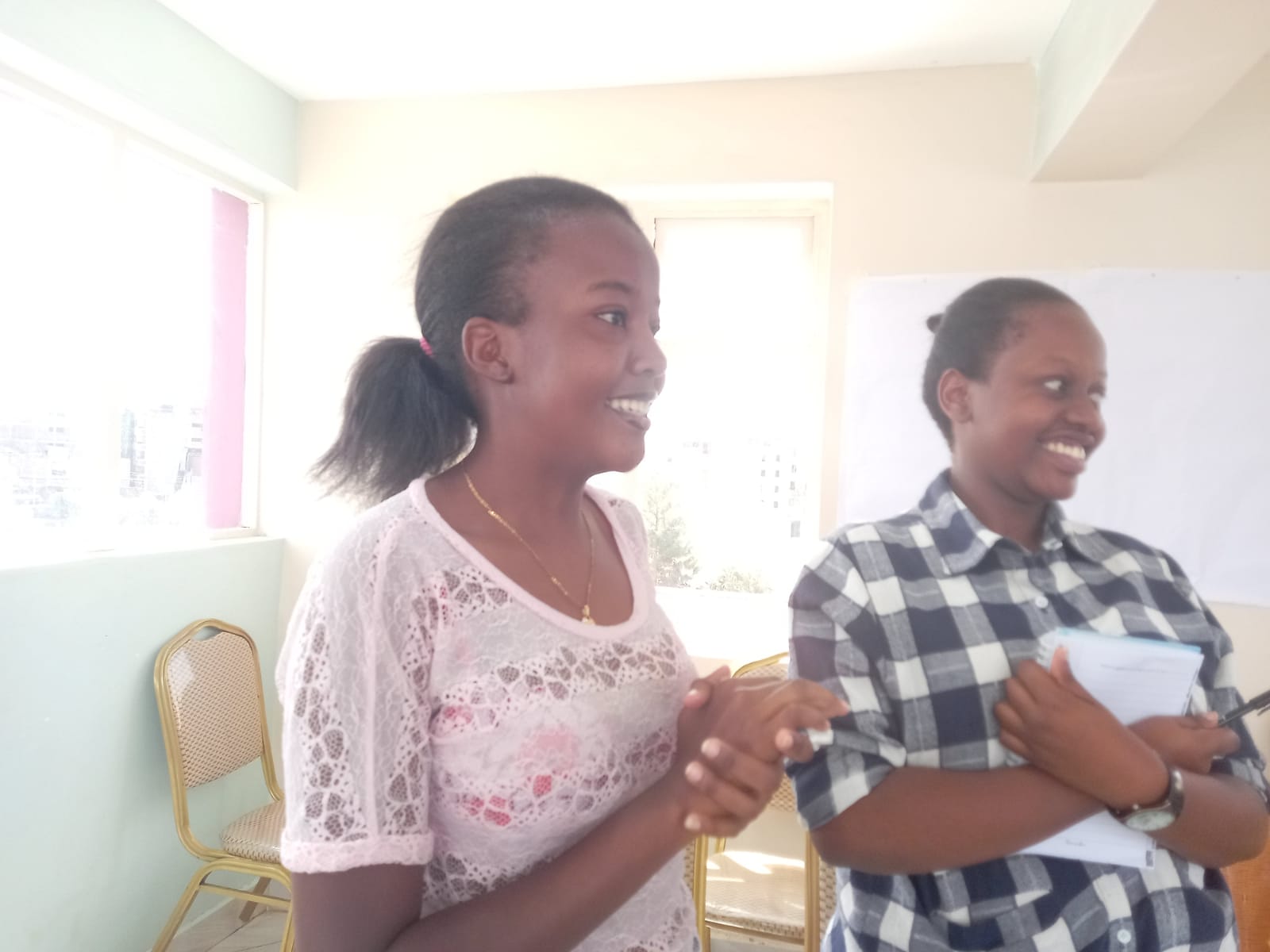
Sauti Yangu — Girls Puberty Education & Wellbeing
Sauti Yangu means My Voice in Swahili. This program gives girls in rural Kenya exactly that , a voice, a safe space, and the confidence to use it.
Sauti Yangu is TajiZuri’s girls’ puberty education and emotional wellbeing program targeting girls aged 10 to 16 in upper primary school.. It supports primary school girls through the physical and emotional changes of growing up, while building their confidence, self-awareness, and ability to set healthy boundaries. The program recognizes that growing up as a girl in rural Kenya comes with unique pressures from family expectations to peer influence to limited access to accurate health information. Sauti Yangu meets girls exactly where they are.
What Sauti Yangu Covers
- Physical Changes During Puberty — Girls learn about the physical changes that happen during adolescence breast development, body hair, growth spurts, menstruation, and changes in body shape. The information is delivered clearly and honestly, helping girls understand that what they are experiencing is normal, healthy, and shared by every girl.
- Emotional Wellbeing — Puberty brings emotional turbulence: mood swings, heightened sensitivity, and the confusing experience of feeling happy one moment and overwhelmed the next. Girls are taught to name their emotions, practice self-care strategies, and seek support from trusted adults when they need it. They are also taught the difference between healthy and unhealthy emotional environments.
- Friendships, Boundaries, and Peer Pressure — Girls explore what healthy friendships look like, how to recognise peer pressure, and how to assert themselves confidently without fear of rejection. Through group discussions and role-play, they practice saying no, setting boundaries, and standing up for themselves and each other.
- Faith, Values, and Identity — Sauti Yangu helps girls develop a strong inner compass. They are encouraged to reflect on their values, their faith, and the kind of person they want to become — building a foundation that helps them make good choices even when no one is watching.
- Confidence and Expression — Every session is designed to give girls a voice. Through activities, discussions, and reflection exercises, girls practice speaking up, sharing opinions, and expressing themselves skills they will carry into every classroom, relationship, and opportunity in their lives.
Who Sauti Yangu Serves
Primary school girls in TajiZuri’s partner schools. Sessions are delivered in a safe, inclusive, and age-appropriate environment where no question is too small and every girl’s experience is respected. Facilitators are trained to hold space with warmth, sensitivity, and cultural awareness.
Why Sauti Yangu Matters
When a girl understands herself, her body, her feelings, and her worth she is more likely to stay in school, make healthy choices, and become a confident young woman. Sauti Yangu is about giving every girl the tools to write her own story, not the one others have written for her.
Education Should Not Be a Privilege.
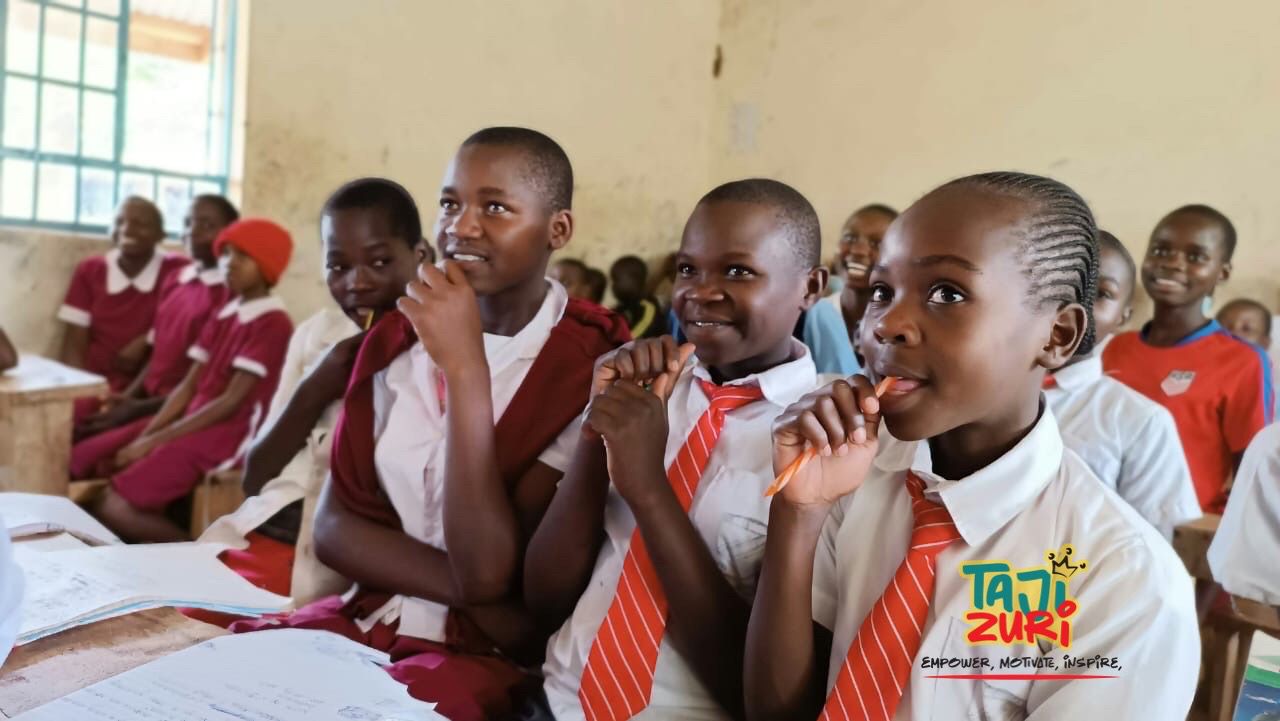
Soma Scholarships — Education Access program
Soma means to read or to study in Swahili. The Soma Scholarships program exists because talent and intelligence are equally distributed but opportunity is not.
For children from low-income households in rural Kenya, the cost of education — even at primary level — can be an insurmountable barrier. School fees, uniforms, books, and transport add up quickly, and for families living on very little, a child’s education is often the first thing sacrificed when money runs out. Through partnerships and collaborations with sponsors and institutions, TajiZuri connects deserving learners with scholarship opportunities that give them a fighting chance.
We do not just find the scholarship and step back. We walk with the learner through the application process, support their transition into the new school or program, and follow up to ensure they are thriving.
What Soma Scholarship Does
- Physical Changes During Puberty — Girls learn about the physical changes that happen during adolescence breast development, body hair, growth spurts, menstruation, and changes in body shape. The information is delivered clearly and honestly, helping girls understand that what they are experiencing is normal, healthy, and shared by every girl.
- Emotional Wellbeing — Puberty brings emotional turbulence: mood swings, heightened sensitivity, and the confusing experience of feeling happy one moment and overwhelmed the next. Girls are taught to name their emotions, practice self-care strategies, and seek support from trusted adults when they need it. They are also taught the difference between healthy and unhealthy emotional environments.
- Friendships, Boundaries, and Peer Pressure — Girls explore what healthy friendships look like, how to recognise peer pressure, and how to assert themselves confidently without fear of rejection. Through group discussions and role-play, they practice saying no, setting boundaries, and standing up for themselves and each other.
- Faith, Values, and Identity — Sauti Yangu helps girls develop a strong inner compass. They are encouraged to reflect on their values, their faith, and the kind of person they want to become — building a foundation that helps them make good choices even when no one is watching.
- Confidence and Expression — Every session is designed to give girls a voice. Through activities, discussions, and reflection exercises, girls practice speaking up, sharing opinions, and expressing themselves skills they will carry into every classroom, relationship, and opportunity in their lives.
Why Soma Scholarship Matters
According to research by the Center for Poverty Research, a child who has been in poverty for seven or more years has only a 13% chance of transitioning out of it without education. That statistic is not just a number, it is a child. It is a family. It is a community stuck in a cycle that education has the power to break. Soma Scholarships is our commitment to changing that statistic one student at a time.
A desk for every learner, a future for every child.
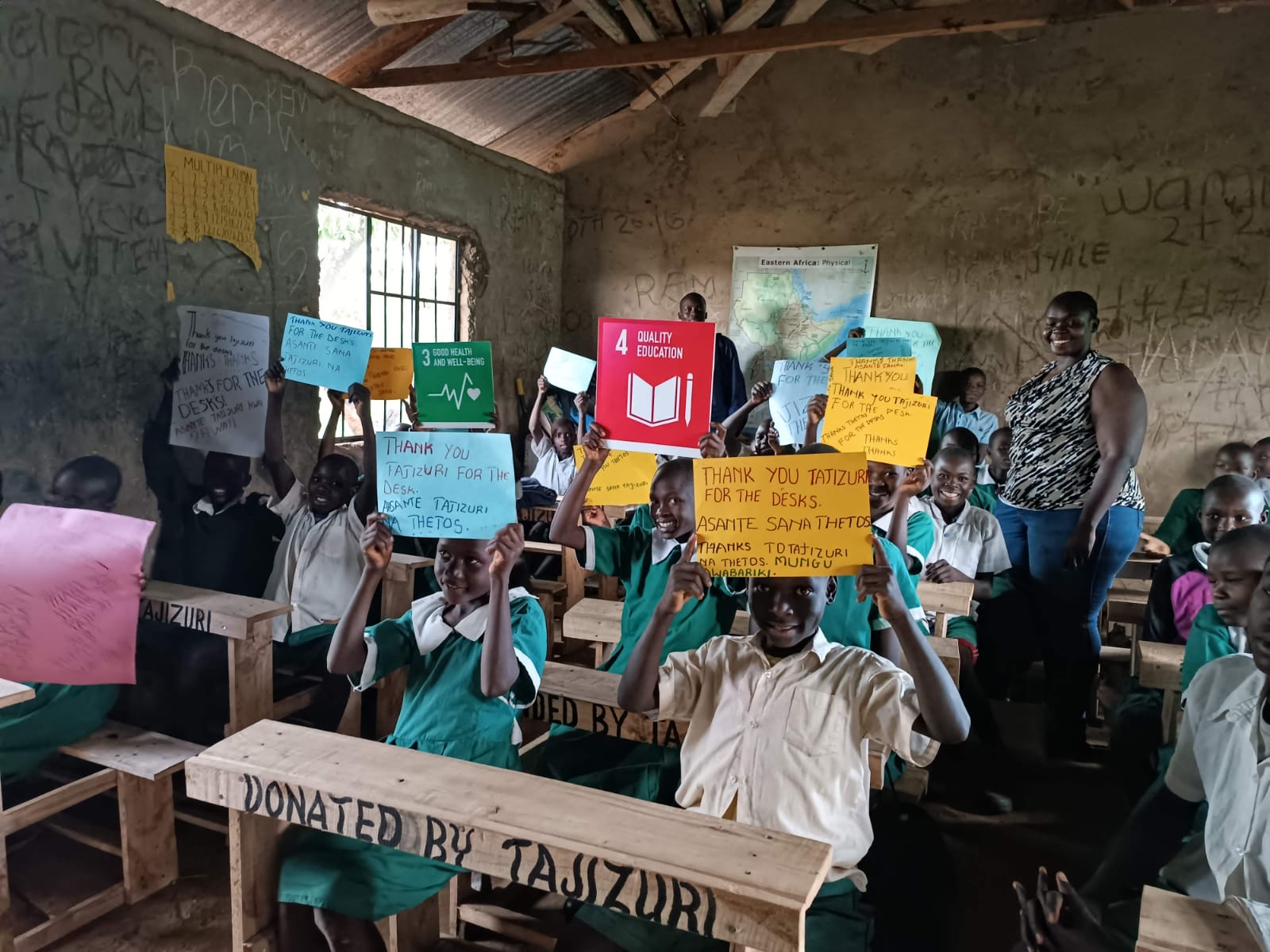
Dawati Darasani — School Desks Donation program
Dawati is the Swahili word for desk. It sounds simple. But in the schools TajiZuri works with, a desk is not a given, it is a privilege.
In many rural Kenyan schools, children sit on the floor, balance books on their knees, or squeeze five to six learners onto a desk designed for two. The physical discomfort is real but the deeper impact is worse. A child who cannot sit comfortably cannot concentrate. A child who shares a desk with five others cannot write neatly, think clearly, or feel like their education matters. Dawati Darasani is our answer to that reality.
What Dawati Darasani Does
We source, fund, and deliver desks to schools that need them most. Each desk donated transforms a classroom improving posture, reducing distraction, and upgrading the entire learning experience for every child who sits at it. We work directly with schools to understand how many desks are needed and ensure delivery reaches the right classrooms.
Why Dawati Darasani Matters
Research from the University of Salford shows that a well-designed classroom can boost student performance by up to 16%. A desk is not just a piece of furniture. It is a signal to a child that they matter, that their education matters, that someone thought about their comfort, their dignity, and their ability to learn. That is what Dawati Darasani delivers one desk at a time.
Empowering young minds through guidance, support and learning.
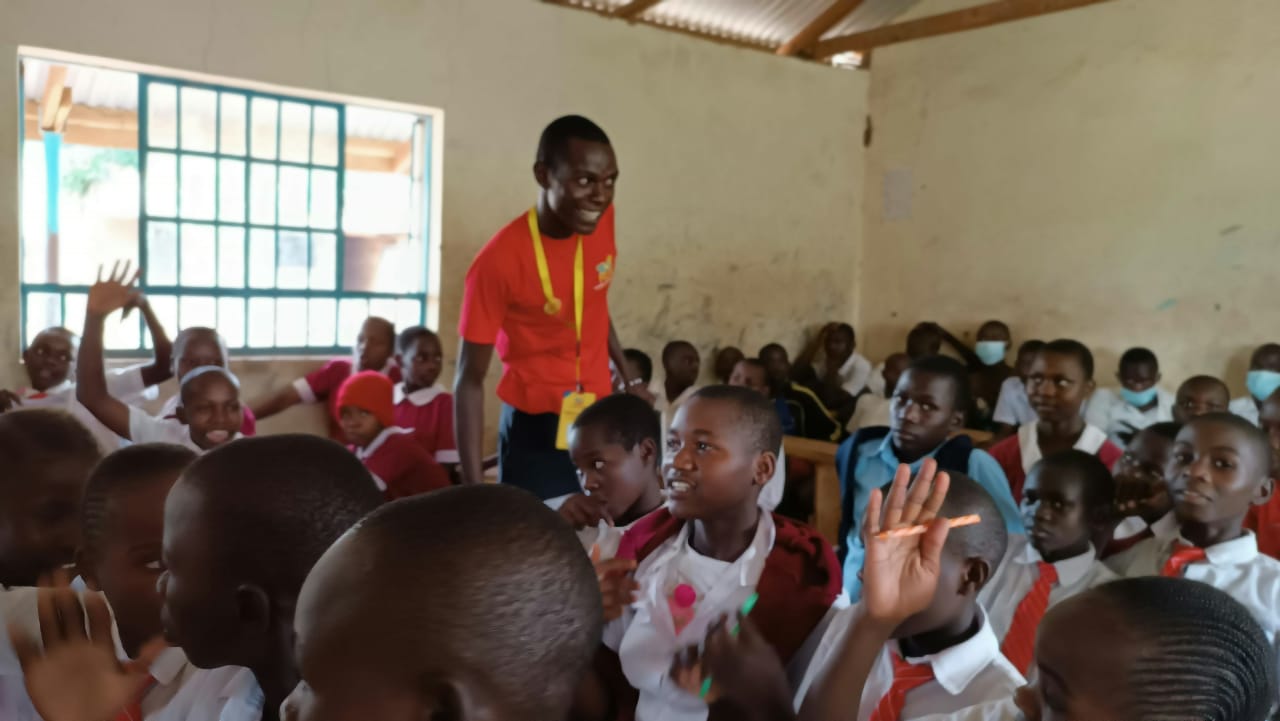
Rafiki Mentorship — Life Skills & Academic Mentorship Program
Rafiki means friend in Swahili. And sometimes, the most powerful thing in a child’s life is one trusted adult who shows up consistently, honestly, and without judgment and says: I believe in you.
The Rafiki Mentorship program offers structured one-on-one and group mentorship sessions to school-going children, teachers, and caregivers in TajiZuri’s partner schools. It is built on the understanding that mentorship is not a luxury, it is a necessity, especially for young people navigating the pressures of growing up in challenging environments.
Every Rafiki session is interactive, fun, and grounded in real life. Mentors share their own experiences, use local examples, and create a space where learners feel comfortable enough to open up, ask questions, and grow. There are no right or wrong answers, only honest conversation, genuine support, and the shared belief that every child is capable of more than they think.
What Rafiki Mentorship Covers
- Goal-Setting — Learners are introduced to the concept of goals and guided through the SMART framework (Specific, Measurable, Achievable, Realistic, Time-bound) in simple, memorable language. They identify subjects they want to improve in, set short-term academic goals, and break them down into manageable steps. The session uses the 4 Ps of Goal Setting Purpose, Plan, Process, and Persistence — to help learners build habits of intentional effort and sustained commitment.
- Time Management — Learners explore how they currently use their time, identify their daily schedules, and learn best practices for managing competing responsibilities. They create personal study timetables and discuss common time management challenges like procrastination, poor planning, and distractions — and develop practical strategies to overcome them. The goal is to help every learner find the balance between school, home responsibilities, rest, and play.
- Study Skills — Effective studying is a skill, not a talent and it can be taught. Learners are introduced to common study habits including note-taking, active listening, reading comprehension, revision, group discussion, and practicing with past papers. They discuss the challenges that make studying hard — distraction, lack of motivation, poor Organisation and brainstorm solutions together. Each learner creates a simple study plan they can begin using immediately.
- Peer Pressure — This session opens with relatable questions and scenarios that help learners define what a peer is and what peer pressure feels like. They explore the difference between positive and negative peer influence from friends who motivate you to study and make good choices, to those who push you towards risky or harmful behaviour. Learners practice practical strategies for saying no confidently, supporting others under pressure, and making independent decisions rooted in their own values.
- Stress Management and Positive Mindset — Learners are introduced to the concepts of stress, stress management, and the three types of mindset: positive, growth, and fixed. Through discussion and reflection, they identify sources of stress in their own lives, exam pressure, family challenges, peer conflict and learn healthy techniques to manage it, including deep breathing, positive self-talk, prayer and quiet reflection, exercise, creating routines, and talking to a trusted adult. The session ends with a strong message: your mindset shapes your future, and you have the power to choose how you respond to life.
Who Rafiki Mentorship Serves
School-going children, teachers, and caregivers in TajiZuri’s partner schools. Sessions are delivered by trained TajiZuri mentors in both individual and group formats tailored to the age, level, and needs of each school and community.
Why Rafiki Mentorship Matters
Every child who has a mentor is more likely to stay in school, set goals, build resilience, and believe in a future beyond their current circumstances. Rafiki Mentorship is our promise that no child in our network walks their journey alone. And for the mentors who deliver these sessions it is a reminder that the greatest thing you can give a child is your time, your truth, and your belief in who they can become.
Free Knowledge. Open Doors. For Everyone.
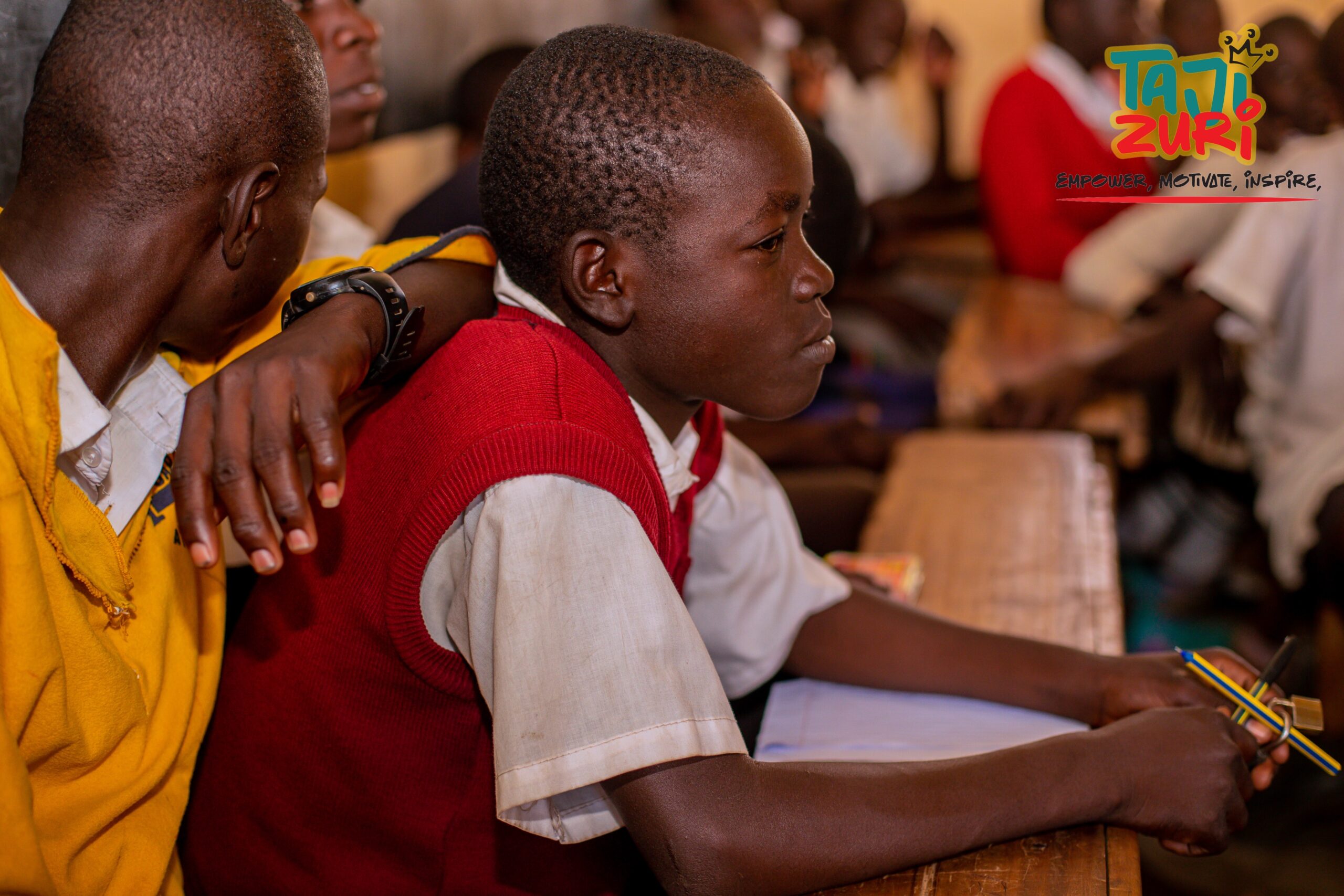
JA Community Library — Free Open-Access Library
In many rural communities across Kenya, books are a luxury. Public libraries are rare. The idea that a child could simply walk into a space, pick up a book, and read for free, at their own pace is not a reality for most.
TajiZuri is changing that. The JA Community Library in Homa Bay is a free, open-access library for school-going children and community members. It is a safe, welcoming, and inspiring space where learners can read, study, access learning materials, and participate in structured reading and mentorship programs at no cost whatsoever.
The library serves as both a quiet study space and an active learning hub — a place where curiosity is welcome, where every child is greeted with warmth, and where the simple act of reading can open doors that poverty and geography have kept shut.
What the JA Community Library Offers
- A wide selection of story books, reference books, dictionaries, learning aids, and educational materials for children at all levels from early readers to secondary students.
- A quiet, comfortable, and safe study space where learners can read, complete homework, and focus is particularly valuable after school and during the school holidays when structured learning often stops.
- Structured reading sessions and book clubs facilitated by TajiZuri volunteers and staff — bringing books to life through discussion, storytelling, and group reading.
- A home for the TajiZuri Ibuka program during school holidays using the library as a full learning and mentorship hub for children, teens, and youth.
- A welcoming community space where parents and caregivers can also access information, parenting resources, and a supportive environment.
Who the JA Community Library Serves
The JA Community Library is open to all school-going children and community members in Homa Bay and surrounding areas. There are no membership fees. No registration requirements. No barriers to entry. Just books, space, and the opportunity to learn.
Why the JA Community Library Matters
Reading is the foundation of all learning. A child who reads widely reads better, writes better, thinks more critically, and performs better in school across all subjects. Research consistently shows that access to books — not just in school but outside of it is one of the most powerful predictors of educational success. The JA Community Library is TajiZuri’s commitment to making that access possible for every child in our community, not just the ones who can afford it.
Our Environment. Our Responsibility. Our Future.
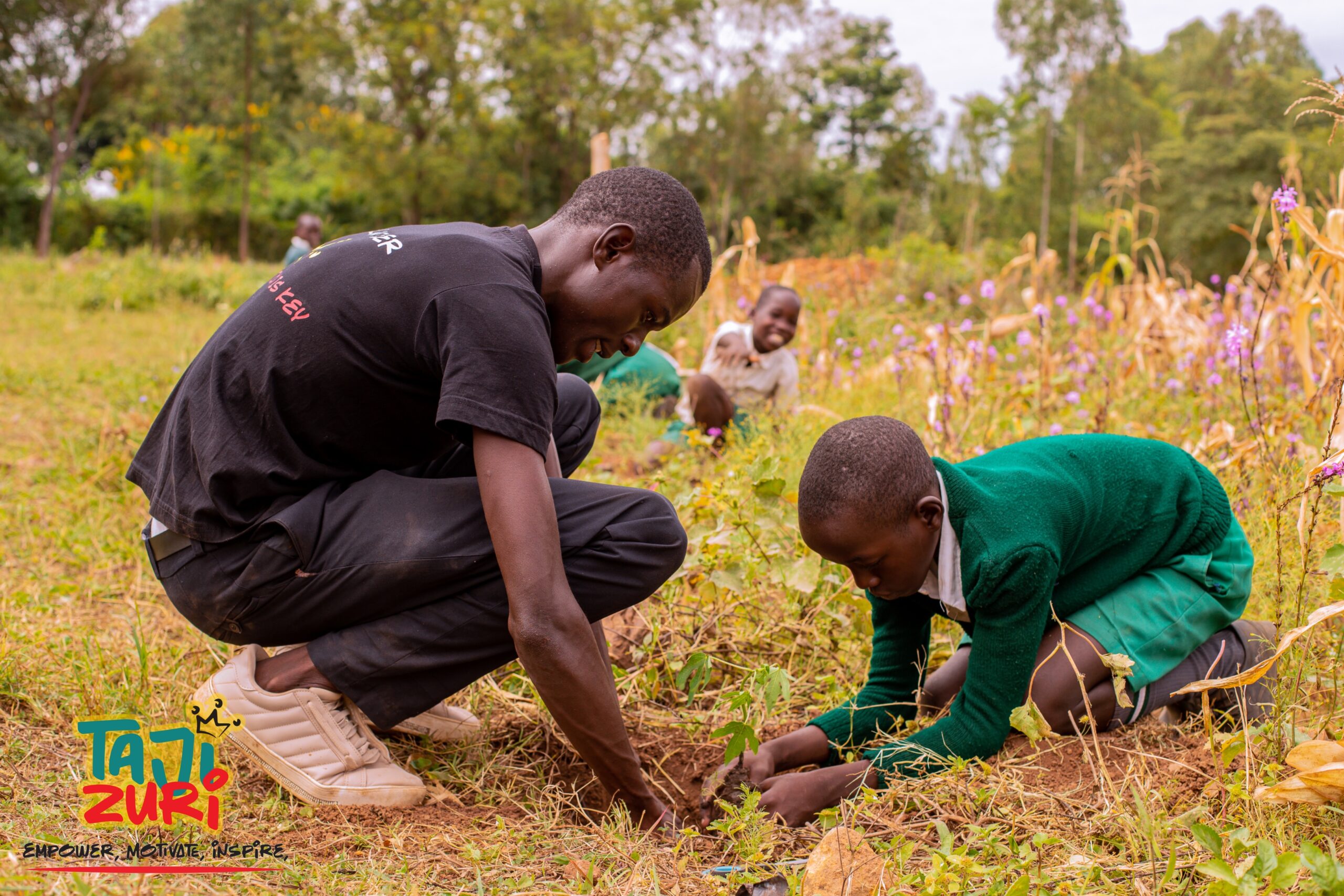
Mazingira Yetu — Climate Action & Environmental Education
Mazingira Yetu means Our Environment in Swahili. This program responds to the growing urgency of environmental degradation and climate change in rural Kenya where communities are already experiencing its effects through unpredictable weather, drying rivers, reduced harvests, and increasing food insecurity.
TajiZuri believes that climate action starts at the grassroots not in boardrooms or international conferences, but in classrooms, households, and school compounds where young people are learning to love and protect the land they live on. Mazingira Yetu turns that belief into action.
Through structured lessons, tree planting activities, community clean-ups, and youth advocacy, the program builds a generation of environmentally conscious young Kenyans who understand the crisis they have inherited and who are equipped, motivated, and empowered to do something about it.
What Mazingira Yetu Does
- Delivers structured climate and environmental education sessions in partner schools covering the definitions of climate, climate change, and climate action; the causes of climate change including deforestation, fossil fuel burning, and pollution; and the measurable effects on Kenya including floods, droughts, and food insecurity.
- Organizes tree planting drives with learners, teachers, and community members planting indigenous and fruit trees around schools and households to restore ecosystems, improve air quality, prevent soil erosion, and support local biodiversity.
- Facilitates community clean-up campaigns that build a culture of environmental responsibility and community pride, linking individual action to collective impact.
- Runs structured essay writing and advocacy activities that equip young people to articulate their views on climate change clearly and confidently in school, in the community, and on social media.The learners are awarded pens,books,sets,wristbands and rulers.
- Supports the formation and growth of youth-led environmental action clubs in partner schools so that the program lives beyond TajiZuri’s visits and continues to be driven by the young people themselves.
Key Concepts Taught
- Climate vs. weather and why the difference matters for understanding long-term environmental change.
- How human activities from farming and transport to industry and waste disposal — contribute to climate change and what communities can do differently.
- The vital importance of trees for air quality, water conservation, food security, temperature regulation, and biodiversity.
- Practical, achievable climate actions that every individual child or adult can take in their daily life.
- How to become a climate advocate speaking up in school, engaging community leaders, and using social media responsibly to raise awareness.
Why Mazingira Yetu Matters
The children in TajiZuri’s partner schools will inherit the consequences of today’s environmental decisions. Floods, droughts, and food insecurity are not distant threats; they are present realities for rural Kenyan communities. Mazingira Yetu ensures that young people do not just receive this inheritance passively, they grow up as active, informed, and empowered stewards of their environment. Because a child who plants a tree today is a leader who protects a community tomorrow.