
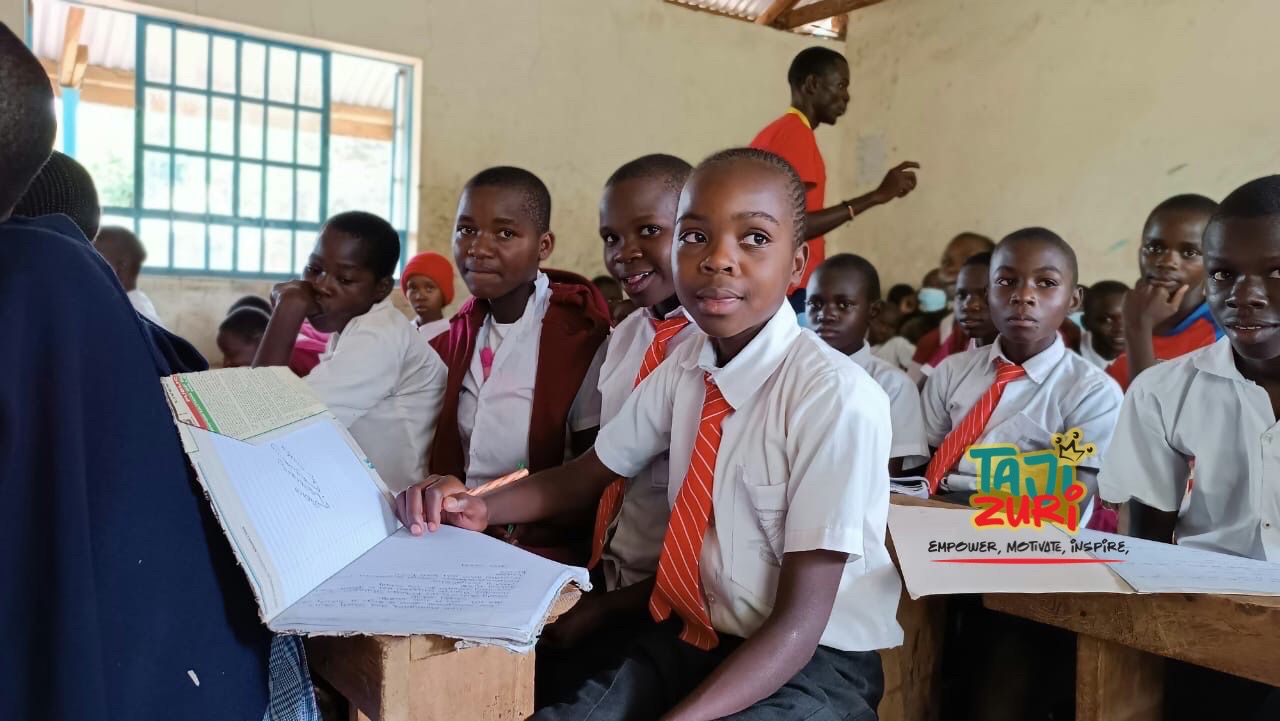
Water, Sanitation and Hygiene (WASH) in schools is very important for the health and success of children. According to the World Health Organization (WHO), every child has the right to safe drinking water, clean toilets, and proper handwashing facilities at school. Providing clean water and proper toilets isn’t just about comfort; it’s about keeping our children in class and healthy.
The Importance of WASH (According to WHO)
According to The World Health Organization (WHO) WASH in schools is a fundamental requirement for a child’s right to education and health. If a school doesn’t have clean water or safe toilets, it isn’t a safe place for a child to learn.
Why it matters:
- Curbing the spread of germs and diseases: Many illnesses that affect our children like diarrhea, cholera, and worms spread because of dirty hands or contaminated water. Proper WASH facilities break this cycle.
- Retention of learners in schools: When children are sick, they miss lessons. Furthermore, many girls in Kenya stay home during their periods because their schools lack toilets or water to clean their hands properly.
- Better Learning: It is hard to concentrate in a lesson if you are thirsty or feeling unwell. Clean water keeps the brain active and the body energized.
- Dignity and Privacy: Every student deserves a private, clean place to relieve themselves. This builds their self-esteem and makes the school a welcoming environment.
While we often talk about washing hands, Oral Hygiene (cleaning teeth and gums) is the “missing piece” of the puzzle. Just like unclean hands can make you sick, a dirty mouth can lead to infections that affect the whole body. In schools, teaching children to brush their teeth after meals is one of the cheapest ways to prevent dental illnesses that might otherwise keep them away from their books.
The Link Between Oral Hygiene and Overall Health
- The Gateway for Germs: When a child has rotten teeth known as tooth cavity or bleeding gums, harmful bacteria grow. These germs can enter the bloodstream and travel to other organs.
- Heart and Lungs: Scientists have found that mouth bacteria can sometimes lead to heart problems or chest infections because the body is constantly fighting “silent” infections in the gums.
- Nutrition: If a child’s teeth hurt, they cannot chew food properly. They start eating only soft foods or skip meals, leading to malnutrition.
Integration Strategies in Schools
Schools can combine oral hygiene with WASH programs in simple ways such as:
- Teaching learners how to brush teeth properly during health lessons
- Setting special days for oral health talks
- Working with local health workers or dentists to check children’s teeth
- Providing clean water for brushing
- Encouraging handwashing and tooth brushing together
Schools can also include oral hygiene in school health clubs. This helps children learn by doing and sharing knowledge with others.
The Role of Schools in Behavior Change
Schools play a very big role in shaping children’s behavior. What children learn in school, they carry home.
Teachers can:
- Teach the importance of brushing teeth twice a day as advised by the World Health Organization.
- Remind learners to wash hands before eating, after eating and even after visiting the latrine.
- Encourage healthy eating and reduce sugary foods.
- Act as role models by practicing good hygiene.
When children learn good habits early, they grow up practicing them. They also teach their siblings and caregivers at home.
Expected Outcomes
- Reduced Absenteeism: Fewer children missing school due to “tummy aches” or “toothaches.”
- Improved results: Healthy students concentrate better and perform better in their studies.
- High Confidence and self-esteem: Children with clean teeth and fresh breath are more confident to speak and participate in class.
Challenges and Solutions
Challenges:
- Lack of clean water in some schools
- Lack of enough toilets
- Lack of soap and dental hygiene kits
- Limited awareness about oral hygiene
- Poverty, making it hard for families to afford dental care
Solutions:
- To improve water supply through building of water boreholes and supplying water tanks
- Building more toilets in schools
- Partnering with health organizations for support
- Teaching low-cost hygiene practices
- Encouraging parents to support hygiene at home
Conclusion In conclusion, Water, Sanitation, Hygiene (WASH) and Oral Hygiene are very important in schools because they help children stay healthy and enable them to learn. The World Health Organization outlines that every child needs clean water, clean toilets, and good hygiene to prevent diseases. When learners brush their teeth, wash their hands with soap, and use clean toilets, they do not get sick often and they do not miss school. This helps them concentrate better and perform well in class. Schools, teachers, parents, and the community must work together to support good hygiene practices to enable children to grow healthy and build a better future for Kenya.